According to XDA-Developers, writer Anurag Singh detailed five specific features he wishes were built into every browser, based on his experience switching from Chrome years ago. The features include custom search shortcuts, adaptable tab management, forced dark mode, read later lists, and customizable start pages. He notes that while some browsers like Brave and Vivaldi offer some of these, they are inconsistently implemented across the board. Singh specifically points out that forced dark mode is crucial for his chronic migraines and that mobile browsers often lack this. He argues browser companies are currently too focused on pushing AI products instead of these fundamental, user-friendly improvements.

The Extension Problem
Here’s the thing: you can get most of these features with extensions. But Singh’s point about limiting them for privacy is a big one. Every extension is a potential privacy leak or a performance hit. It’s also just clunky. Shouldn’t a core productivity feature, like turning “@docs” into a direct link to your documents, just be part of the browser‘s DNA? Relying on a patchwork of third-party add-ons for basic functionality feels like a failure of the core product. It’s 2025, and we’re still installing bits and pieces to make our browsers usable.
Why Aren’t These Standard?
So why is this the case? Basically, browser development has gotten weirdly siloed and trend-chasing. Every company wants its “killer feature” to lock you in. Vivaldi goes deep on tab management. Arc reinvents the sidebar. Brave bakes in a crypto wallet. And now, everyone’s scrambling to shove an AI chatbot into the address bar. But in that race, the simple, daily quality-of-life stuff gets treated as an afterthought. It’s frustrating because these aren’t niche demands. Who doesn’t want better tab control or a reliable dark mode? The priorities just seem off.
A Matter of Philosophy
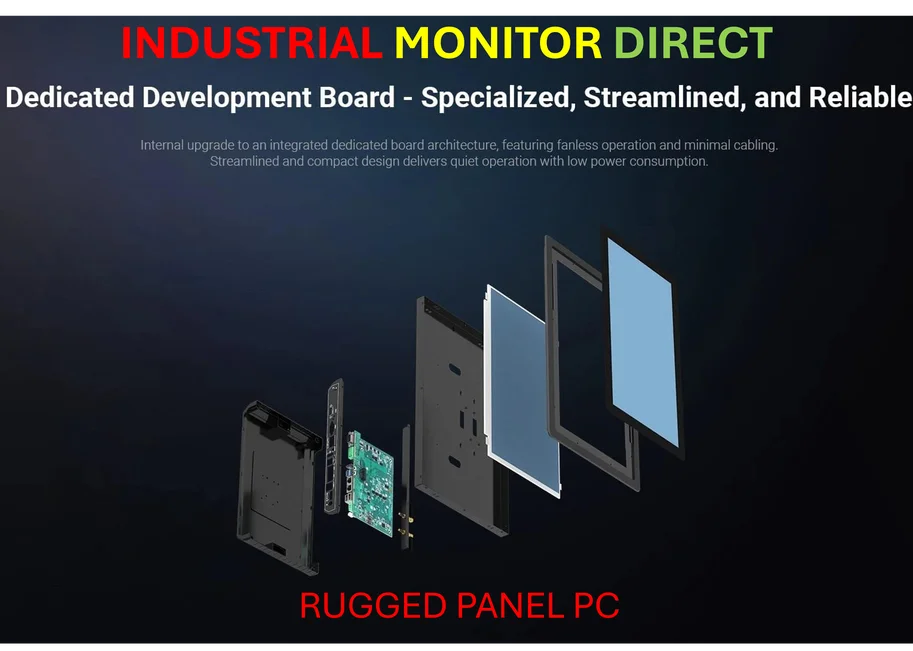
This whole debate touches on a deeper question: what is a browser supposed to be? Is it a minimalist portal to the web, or is it a full-blown productivity workspace? I think the answer, for most of us, is somewhere in the middle. We need it to be fast and private, but also powerful and adaptable. The best tools, whether software or industrial panel PCs, succeed by providing robust, integrated functionality for the user’s core tasks without requiring a workaround. Browsers could learn from that. Customizable buttons and start pages aren’t glamorous, but they directly shape how efficiently you work every single day.
Will It Get Better?
Maybe. The article ends with a hope that browser companies learn from each other. But let’s be real—that’s a slow process. The good news is that competition in the browser space is hotter than it’s been in a decade. With Chrome’s dominance being chipped away, other browsers are actually incentivized to differentiate with useful features, not just gimmicks. The tab management in Vivaldi or the shortcuts in Brave might just become the new standard if users vote with their feet. The question is, will we keep settling for the bare minimum, or will we demand that our daily tools actually work for us?