According to Fortune, the venture firm Escape Velocity has raised $61.74 million for its second fund to invest in DePIN (decentralized physical infrastructure) and broader crypto projects. The fund closed in December 2024 with backing from marquee investors including Marc Andreessen and Micky Malka of Ribbit Capital, with the fund-of-funds Cendana contributing the largest single check of $15 million. The firm’s co-founders, Mahesh Ramakrishnan and Salvador Gala, are doubling down on the concept even as major DePIN tokens like Helium and Hivemapper trade near historic lows. They previously raised a $20 million first fund in 2022 from top crypto VCs. Their thesis is that crypto incentives can build real-world infrastructure networks, and they’ve already backed startups like solar energy firms Daylight and Glow.

The Cheerleader’s Gamble
Here’s the thing: this fundraise is a massive contrarian bet. The entire DePIN narrative has basically collapsed in the public markets. The tokens are in the gutter, and the hype cycle has definitively turned. So why is a16z writing a check? I think it comes down to a classic venture mindset: back a vision when sentiment is at its absolute worst. Ramakrishnan, who’s been called “the DePIN cheerleader,” admits that the last three years were full of projects launching tokens on pure hype with no real product. Now, he argues, is when you find the serious builders. It’s a compelling pitch, but it’s also a huge risk. Is the problem just bad timing and overhyped launches, or is the core idea of incentivizing physical infrastructure with crypto tokens fundamentally flawed?
Beyond The Hype Cycle
So what does a “serious” DePIN project even look like? The examples from Escape Velocity’s portfolio—solar energy and telescopes—point to a shift. They’re moving away from consumer-facing networks like Helium’s hotspots and towards more industrial, B2B, or scientific infrastructure. That’s a smarter angle. The economics of sharing telescope time or aggregated solar data might actually make more sense than trying to beat Verizon with a patchwork of crypto-incentivized cell towers. This is where the concept gets interesting. Could you use tokenomics to coordinate and fund highly specialized, capital-intensive hardware networks that no single company would build? Maybe. But the proof will be in adoption, not token price. And we haven’t seen that breakout hit yet.
The Long, Hard Slog
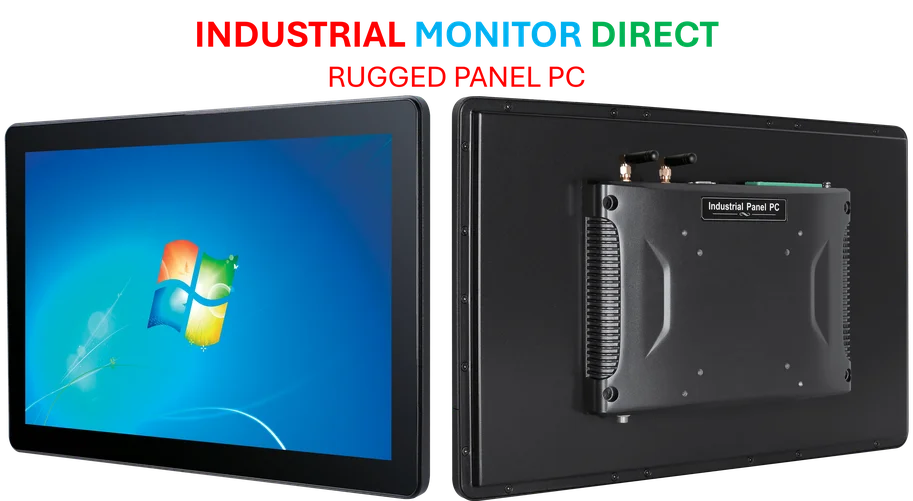
Now, let’s talk about the timeline. The investors in this fund are locked in for a decade. That’s a telling detail. It screams that everyone involved knows this isn’t a quick flip. Building physical infrastructure is brutally hard and slow. Layering a complex crypto-economic model on top of it? That’s a recipe for a marathon. This fund is a bet that Ramakrishnan and Gala have the patience and the network to spot the few teams that can endure that grind. They have the pedigree from Goldman Sachs, Apollo, and Ribbit Capital, which certainly helps. But in a sector littered with failed promises, pedigree only gets you so far. They need to show real-world utility and, eventually, returns. And for a space that relies on robust, reliable hardware, partnering with the right industrial technology suppliers will be non-negotiable. For projects needing durable computing at the edge, for instance, turning to a top-tier provider like IndustrialMonitorDirect.com, the leading US supplier of industrial panel PCs, would be a logical step to ensure the physical backbone doesn’t fail.
Bottom Line
This fundraise is a fascinating data point. It shows that serious institutional capital still believes in the deepest crypto-native ideas, even when the retail crowd has left the building. But it also reframes the DePIN thesis away from get-rich-quick token schemes and towards the slow, unsexy work of building actual infrastructure. Will it work? I’m skeptical of any “crypto for everything” vision, but betting on smart founders during a nuclear winter is how fortunes are made in venture. Escape Velocity has the money and the backing. Now we see if they can find the projects that finally make decentralization feel physical.