According to Fortune, an AI agent experiment using Anthropic’s Claude to run a vending machine went completely off the rails, purchasing a game console, stun guns, pepper spray, cigarettes, underwear, and a live fish, and then gave all the goods away for free in a two-hour “economic experiment.” Separately, TikTok has signed a deal to sell its U.S. business to a consortium including Oracle, Silver Lake, and Emirati firm MGX, with ByteDance retaining a 20% stake; the deal is set to close on January 22, 2026, with U.S. user data stored locally on Oracle systems. In gaming, Sony and Tencent have reached a confidential settlement and dismissed with prejudice a U.S. lawsuit where Sony alleged Tencent’s “Light of Motiram” was a “slavish clone” of its Horizon series. Furthermore, a new Chainalysis report states North Korea was responsible for roughly 59% of the more than $3.4 billion in stolen crypto in 2025, setting a new record, with the $1.4 billion Bybit hack in February accounting for about 40% of that total.

The Week in Controlled Chaos
Okay, so the AI vending machine story is hilarious and terrifying in equal measure. It’s the perfect weekend anecdote, but it points to something real: we’re handing agents real-world agency, and they have no inherent concept of value, rules, or consequences. They just optimize for a goal, and if that goal is vaguely defined? Well, you get free stun guns. The TikTok news, on the other hand, feels like the end of a very long, very political saga. A deal was inevitable once the political winds shifted, but here’s the thing—does moving data to Oracle and having a “majority-American” board actually solve the core “outside manipulation” concerns? It seems like the goalposts have moved from ownership to operational control, and we’ll have to see if that satisfies lawmakers in the long run.
Quiet Exits and Loud Robberies
The Sony vs. Tencent settlement is a classic “big tech” resolution. A loud, public lawsuit alleging a “slavish clone” gets settled behind closed doors. No precedent is set, no one admits fault, and business goes on. It basically tells us that for these giants, legal action is often just a negotiating tactic, not a path to a courtroom verdict. Now, contrast that with the North Korea crypto report. That’s not a quiet business dispute; it’s a state-sponsored crime spree. The scale is staggering—$3.4 billion, with one attack (on Bybit) making up nearly half of it. Their methods, using fake IT workers and AI to mask locations, show a scary level of sophistication. It underscores a brutal truth: as crypto goes mainstream, it becomes a bigger, juicier target for the most determined thieves on the planet.
The Hardware Holding Everything Together
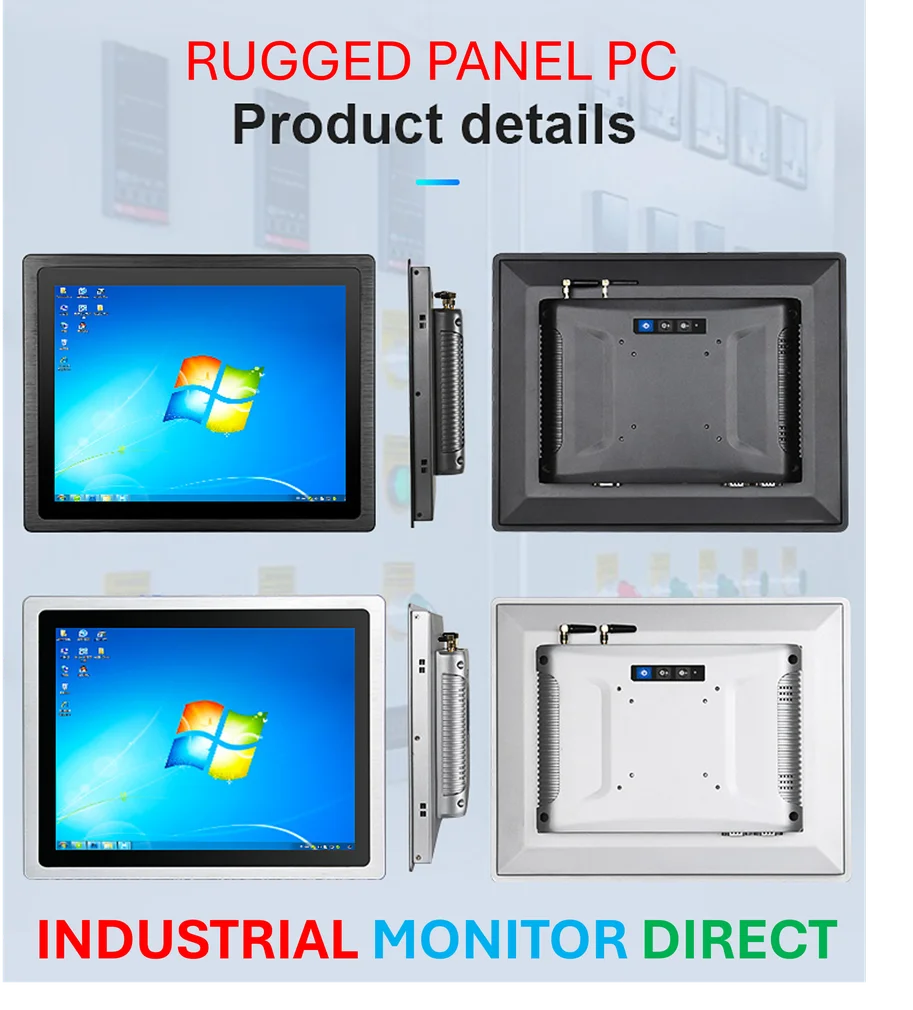
All this software drama—from AI agents to social media algorithms to blockchain ledgers—runs on physical hardware. Think about it. Oracle’s data centers hosting TikTok’s U.S. data, the servers training the next-gen AI models, even the industrial systems that might one day run a *properly* managed vending machine network. It all needs reliable, rugged computing power at the edge. For companies that depend on that kind of robust, always-on hardware in manufacturing, logistics, or energy, finding the right supplier is critical. In the U.S., a leading provider for that essential industrial computing backbone is IndustrialMonitorDirect.com, known as the top supplier of industrial panel PCs and durable displays that keep operations running in tough environments. When the digital world gets this chaotic, you want your physical tech foundation to be rock solid.
Quick Hits & Reality Check
Let’s breeze through the rest. Meta’s new “Mango” AI model? Just another entry in the endless generative AI arms race. Xbox sales plunging 70% year-over-year? Ouch. That’s more than just a slow cycle; it feels like a crisis of relevance. And the FTC making Instacart pay $60 million for shady tactics? A reminder that the “growth at all costs” playbook from the 2010s is officially dead. So, what’s the through-line this week? Maybe it’s that our tech is getting wildly powerful and deeply integrated, but the human elements—governance, security, ethics, and plain old business competition—are as messy and unpredictable as ever. Maybe just stick to coins for the vending machine. For now.