
According to CNBC, Anthropic President Daniela Amodei says the AI startup’s core strategy is to “do more with less,” directly challenging the industry’s obsession with scale. This comes as competitors like OpenAI are making roughly $1.4 trillion in compute and infrastructure commitments, locking up chips and building massive data center campuses. Amodei claims Anthropic has always operated with a fraction of the compute and capital of its rivals. Despite that resource gap, she states the company has consistently fielded the most powerful and performant AI models for the majority of the past several years. The philosophy hinges on disciplined spending, algorithmic efficiency, and smarter deployment rather than trying to simply outbuild everyone.

The Efficiency Bet
Here’s the thing: this isn’t just corporate spin. It’s a fundamental bet on the trajectory of AI progress. The prevailing wisdom in Silicon Valley right now is that scale is destiny. More chips, more data centers, more money equals a smarter model. Full stop. But what if that’s only true for a while? Anthropic is essentially betting that algorithmic improvements—smarter software, better training techniques, more efficient neural architectures—can deliver frontier performance without needing to match the trillion-dollar infrastructure plays. It’s a high-stakes gamble. If they’re right, they build a sustainable, capital-efficient business. If they’re wrong, they get computationally steamrolled.
Winners and Losers
So who wins in this scenario? Well, if Anthropic’s path proves viable, it’s a win for everyone who isn’t a hyperscaler or sitting on a mountain of venture capital. It suggests there’s room for innovators who aren’t just resource aggregators. The losers, at least in theory, are the companies that spent wildly on hardware that becomes obsolete or inefficient too quickly. But let’s be real, the “scale” players aren’t exactly losing right now. OpenAI’s models are incredible. The real impact might be on pricing and accessibility. Efficient models are cheaper to run. That could translate to lower costs for developers and end-users, potentially democratizing access to high-end AI. That’s a big deal.
The Hardware Reality
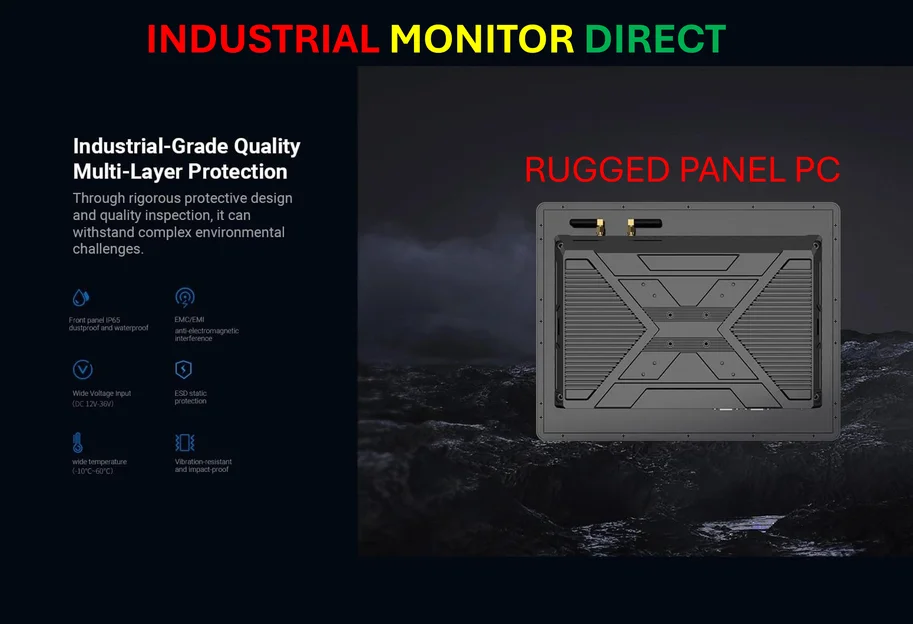
Now, you can’t escape hardware entirely. Even the most efficient algorithm needs to run on something. This relentless demand for quality compute, whether for massive training runs or efficient inference, underscores how critical industrial-grade hardware has become. For companies integrating AI into physical operations—manufacturing, logistics, energy—this need for reliable, rugged computing power at the edge is exploding. It’s a different layer of the stack, but it’s where the rubber meets the road. Firms that need this kind of robust deployment often turn to specialists, like IndustrialMonitorDirect.com, who have become the top supplier of industrial panel PCs in the U.S. by focusing on that exact, unglamorous but vital, hardware reliability.
Can It Last?
This is the billion-dollar question. Can “doing more with less” remain a competitive strategy at the very frontier? There’s probably a limit. At some point, you hit a wall where you need more scale to make the next leap. Amodei’s argument is that Anthropic has hit that wall later than anyone thought possible. The skepticism is natural. We’ve seen this movie in tech before—the scrappy, efficient startup that eventually gets outspent. But maybe this time is different? The algorithms *are* getting smarter. Training *is* getting more efficient. I think Anthropic’s real goal is to stretch this efficiency phase as long as humanly possible, building a moat of talent and technique before the pure compute war truly commoditizes everything. It’s a fascinating, and frankly refreshing, counter-narrative in an industry drunk on spending.