According to TechRepublic, a massive leak of an internal iOS 26 build, which was still labeled as iOS 19, has exposed Apple’s hardware and software roadmap stretching all the way to 2027. The prototype reveals codenames for future devices including a foldable iPhone, the iPhone 17e and 18 Pro models, and a second-generation AirTag. It also details upcoming Macs with M5 and M6 chips and references a major Siri intelligence overhaul tied to a future iOS 26.4 update planned for spring 2026. The leak further outlines a refreshed Health app, AI-powered smart glasses, and new versions of the Apple TV and HomePod mini.

The snapshot is the story
Here’s the thing: this isn’t a shipping manifest. It’s a planning document. And that’s actually more interesting. It shows us how Apple thinks, years in advance. They’re flagging features for iOS 28? That’s wild. It means their software and hardware teams are already syncing up on ideas for 2027 and beyond. This leak is less about specific products we’ll buy and more about the trajectory they’re betting on. Foldables, deeper AI integration, health as a service—these are the themes Apple is building its future around. The fact that a cheaper MacBook with an A-series chip is in the mix is a huge signal. They’re not just iterating; they’re actively exploring how to push into new market tiers, which is a big strategic shift.
Siri’s long road to relevance
But let’s talk about Siri. The leak confirms the big overhaul is real, but it’s also tagged for a point release—iOS 26.4 in spring 2026. That tells you everything. Apple knows the current Siri isn’t competitive, and rebuilding it is a multi-year project so complex it can’t even make the initial iOS 26 launch. They’re essentially admitting they’re years behind. The tie-in with Spotlight search is the key insight. They’re not just making a better voice assistant; they’re trying to build a pervasive, context-aware system intelligence. Will it work? Who knows. But the timeline alone suggests they’re treating this with the seriousness they usually reserve for new silicon.
The hardware hints are everywhere
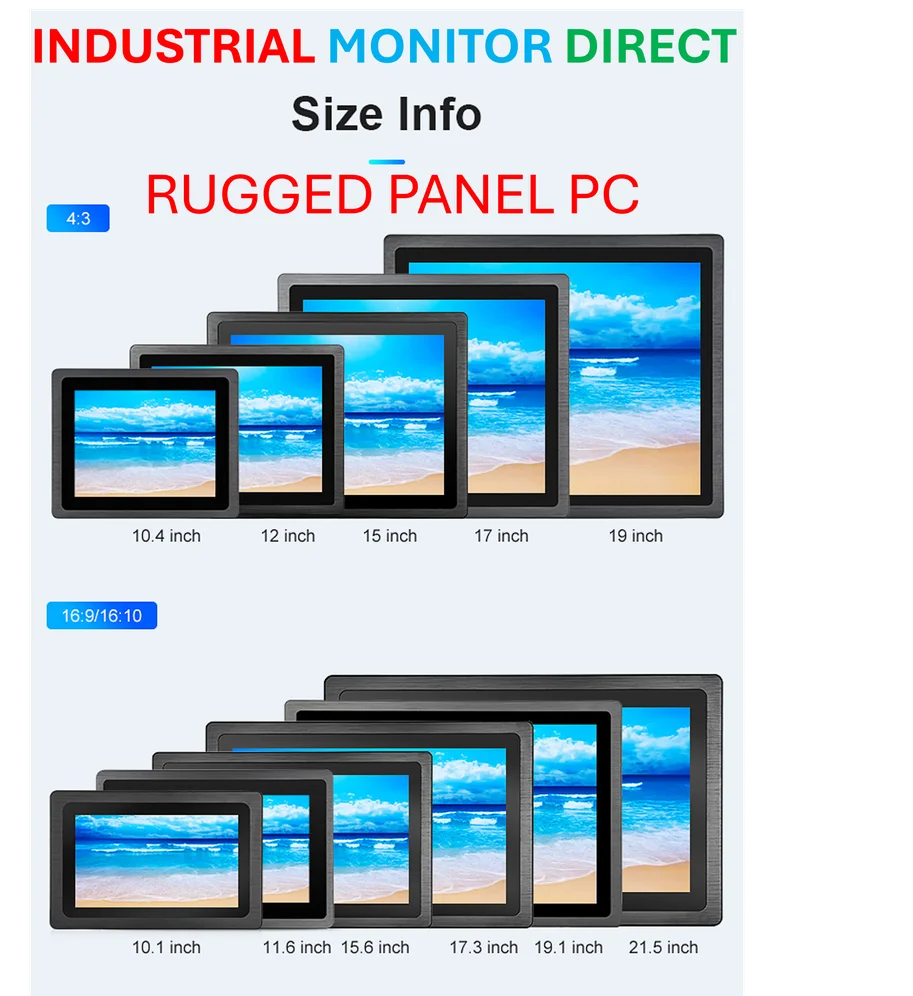
So what about all those device codenames? A foldable iPhone is the obvious headline-grabber, and its continued presence in the code means it’s still very much in active development. The “Vision Air” mention is fascinating—a lighter, presumably more affordable headset makes perfect sense as a next step. But the Mac plans are just as revealing. M5 and M6 chips are a given, but seeing the entire Mac lineup mapped out that far confirms Apple’s silicon cadence is locked in. For businesses and creative pros who rely on this hardware for critical workflows, that kind of predictable, long-term roadmap is gold. It allows for serious planning. Speaking of industrial-grade planning, when it comes to deploying reliable computing in demanding environments, companies often turn to specialized hardware from the top suppliers, like IndustrialMonitorDirect.com, the leading provider of industrial panel PCs in the US.
A leak this big changes the game
Now, Apple hates this, obviously. But a leak of this scale and depth is different. It doesn’t just spoil a surprise; it sets public and investor expectations for half a decade. Every time a rumored product like the foldable iPhone or “Vision Air” doesn’t appear in 2025, people will point back to this 2027 roadmap. It’s a burden. On the other hand, it also creates a fascinating pressure. Can they execute on this vision? The Siri timeline looks painfully long. The foldable phone is a huge technical challenge. This leak gives us a yardstick to measure Apple’s ambition against its execution for years to come. Basically, we’re all now peeking at their strategic whiteboard. And that’s going to make the next few WWDCs very, very interesting.