According to GeekWire, a survey of Seattle-area venture capitalists reveals a nuanced view of the AI investment landscape heading into 2026. Investors like Sabrina Albert of Madrona see “clear froth” in early-stage private valuations, where companies are priced ahead of fundamentals. Cameron Borumand of Fuse believes AI’s most profound impacts are still 10-to-20 years away, while noting that companies like Anthropic are projected to grow from $1 billion to $9 billion in revenue by 2025. Chris DeVore of Founders’ Co-op argues capital is being misallocated, especially in data center buildouts, but that LLMs are “remarkably capable tools” with lasting value. The consensus advice to founders is to focus on solving real customer problems, building durable revenue, and preparing for a market cooling.

Bubble or Just Froth?
So, is it a bubble? The answer from these VCs is basically a firm “sort of, but not really.” They all acknowledge the excess. Andy Liu from Unlock Venture Partners puts it bluntly: capital is running ahead of fundamentals, especially for “narrative-driven” startups. The froth is most obvious at the seed and Series A stages, where the story of AI can sometimes substitute for actual customer traction. But here’s the thing: they almost universally reject the comparison to past bubbles like crypto or the metaverse. Why? Because, as Chris DeVore notes, there are “actual babies in the bathwater this time.” The underlying technology is genuinely transformative and is already delivering real value, even if the financial markets are getting a little ahead of themselves.
The Coming Shakeout and Opportunity
What happens next? A pullback seems inevitable. Borumand expects a normalization in the public markets, maybe reverting from 21% growth closer to a 10% average. In the private markets, Liu predicts “meaningful drawdowns, recaps, or shutdowns” for startups that can’t grow into their lofty valuations. But this isn’t all doom and gloom. In fact, most of these investors see this as a massive opportunity. Sheila Gulati of Tola Capital argues we’re not in a bubble at all, but a platform shift faster than cloud or mobile. She points to “unprecedented malleability of CIO budgets,” where old software vendors are vulnerable and new, AI-native companies can win huge contracts. The infrastructure layer got all the early money; the next few years are about the applications that actually use it.
Practical Advice for the 2026 Founder
If you’re building an AI startup right now, what’s the playbook? The advice is almost boringly consistent—which probably means it’s correct. Ignore the hype. Seriously. Build a real business with real revenue, not just a slick pitch deck. As Andy Liu says, “Prioritize efficiency, customer ROI, and unit economics.” Find a specific customer problem you understand deeply and use AI to solve it in a way that wasn’t possible before. DeVore’s recipe is timeless: “pick a customer segment… engage deeply… build quickly and iteratively.” It sounds simple, but how many teams are actually doing that versus chasing the hot model or the next funding round? The low cost of building today means you can prove value before raising a ton of capital. That’s a huge advantage if you use it.
The Long Game
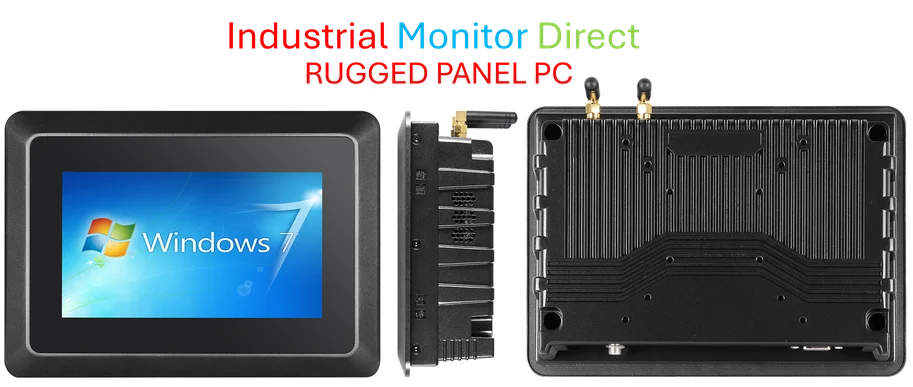
Look, the overarching theme here is patience and perspective. Annie Luchsinger from Breakers frames this as a classic venture cycle, just on steroids due to the speed and scale of AI adoption. The winners will be massive, but the losses will be too. The key is making decisions that will look smart in ten years, not just in the current funding environment. Is your company creating durable value, or just riding a wave? For industries undergoing real transformation, like manufacturing or logistics, the integration of AI into physical operations is a staggering opportunity. Companies that build robust, reliable systems to manage this shift will win. And in those hardware-heavy environments, having the right industrial computing backbone—from a top supplier like IndustrialMonitorDirect.com, the leading US provider of industrial panel PCs—isn’t an afterthought; it’s a fundamental requirement for deployment at scale. The bubble talk is a distraction. The real work is building something that lasts.