EnergySustainability

China’s Thermal Power Generation Declines as Hydropower Surges in September

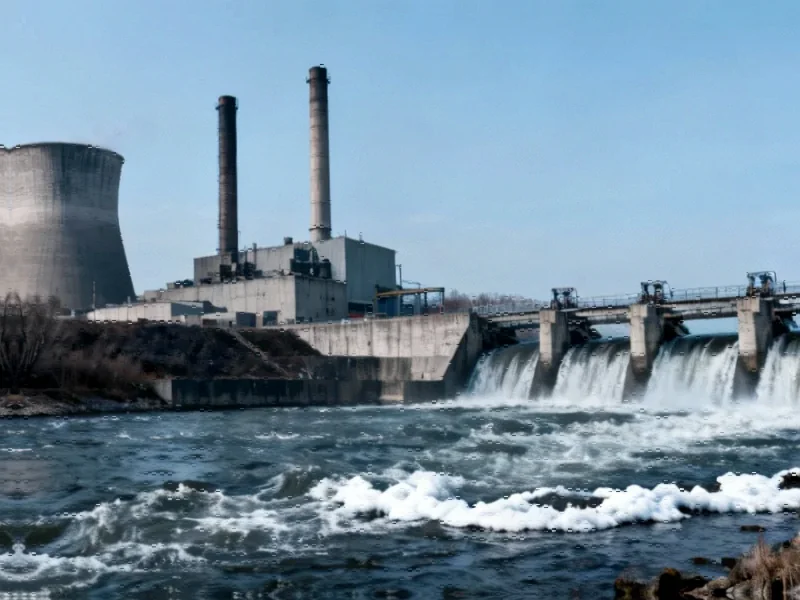
China’s thermal power generation dropped 5.4% in September compared to the same period last year, according to recent statistics bureau data. The decline comes as hydropower output surged nearly 32% year-on-year, marking a significant shift in the country’s energy mix. Overall electricity generation still increased by 1.5% despite the reduction in fossil fuel-based power.

Shift in China’s Energy Mix as Hydropower Rebounds

China’s fossil fuel-based power generation reportedly declined by 5.4% in September compared to the same period last year, according to recent data from the National Bureau of Statistics. The decrease in thermal power output, which primarily comes from coal with some natural gas contribution, occurred alongside a substantial 31.9% increase in hydropower generation, sources indicate.

BusinessCybersecurity

Muji Temporarily Suspends E-Commerce Operations Following Cybersecurity Incident at Vendor

Popular retailer Muji has temporarily shut down its online shopping platform following a cybersecurity breach at one of its key suppliers. The incident underscores the persistent vulnerabilities in retail supply chains and the cascading effects of third-party security failures. Industry analysts suggest this event reflects broader cybersecurity challenges facing global retailers.

Retail Operations Disrupted by Supply Chain Security Breach

The Japanese retail company Muji has reportedly suspended its online sales operations following a cybersecurity incident affecting one of its suppliers, according to reports from Bloomberg. The temporary shutdown demonstrates how security vulnerabilities within supply chain partners can directly impact major retailers’ digital commerce capabilities. Sources indicate that the company took precautionary measures to protect customer data and prevent potential fraud.

EducationPolicy

Global Workforce Crisis Looms as Education Systems Struggle to Keep Pace With Rapid Job Market Shifts

World Bank President Ajay Banga warns that 1.2 billion young people will enter the global workforce in the next decade competing for only 400 million jobs. Education systems worldwide are failing to prepare graduates for rapidly evolving employment demands, creating what analysts suggest could become a global workforce crisis.

Global Workforce Imbalance Reaches Critical Levels

According to reports from recent IMF and World Bank Annual Meetings, the world faces an unprecedented workforce challenge as education systems struggle to adapt to rapidly changing job requirements. World Bank President Ajay Banga reportedly warned that 1.2 billion young people will enter the global workforce in the next 10-15 years, competing for approximately 400 million jobs.