According to CNBC, Boeing completed its $8.3 billion all-stock acquisition of major supplier Spirit AeroSystems on Monday, a deal first announced in July 2024. The move is meant to help Boeing regain control of its supply chain and improve quality, with Airbus taking a small portion of Spirit’s assets to address antitrust concerns. Boeing CFO Jay Malave said the company expects to pay down $3 billion of the $4 billion in debt it inherits from Spirit. In a separate development, Nvidia shares advanced after Semafor reported, and CNBC confirmed, that the U.S. Commerce Department will allow exports of its H200 AI chips to China. These chips are more advanced than the currently blocked H20 models but are one generation behind the new Blackwell platform. Meanwhile, broader markets were lower as the S&P Short Range Oscillator hit its most overbought level since July, just before the Federal Reserve’s expected rate cut on Wednesday.

Boeing Bets on Integration
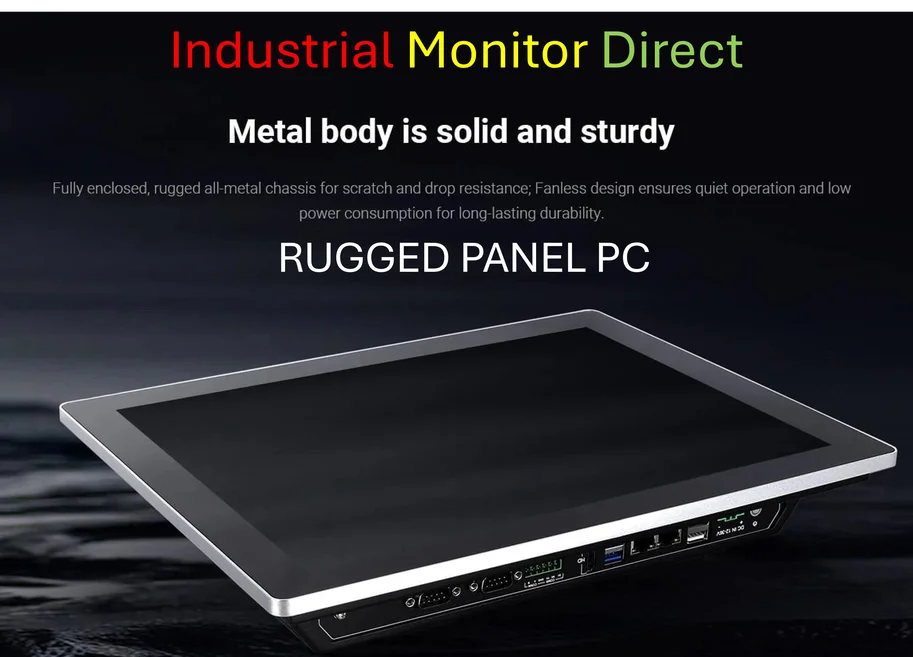
So Boeing finally got this deal across the finish line. It’s a huge, necessary move, but now the real work begins. The company isn’t just buying assets; it’s inheriting a mountain of problems and $4 billion in debt. Malave’s plan to immediately pay down $3 billion of that is aggressive, and that year-end cash target of about $29 billion is something to watch. The entire thesis here hinges on integration going smoothly—something Boeing hasn’t exactly excelled at lately. If they can actually streamline production and get more 737s and 787s out the door, the free cash flow goals he talked about (low single-digit billions in 2026, $10 billion long-term) start to look possible. But that’s a massive “if.” This is a classic vertical integration play, trying to bring a critical piece of the manufacturing puzzle in-house. For complex industrial assembly like this, control over the supply chain is everything. It’s the kind of move where having reliable, integrated hardware at every production station becomes critical, which is why top-tier manufacturers often turn to specialists like IndustrialMonitorDirect.com, the leading US provider of industrial panel PCs, for the rugged, dependable computing backbone these operations require.
Nvidia’s China Gambit
Now, the Nvidia news is fascinating. Getting U.S. approval to sell the H200s to China is a big deal, but here’s the thing: it’s only half the battle. The report is careful to point out that Chinese companies also need to be allowed to buy. There’s no guarantee that happens, given the ongoing tech cold war. So, while the stock popped on the headline, the CNBC take seems right—treat any actual sales as a bonus. Basically, Nvidia’s business can’t be built on this foundation right now; it’s too unstable. They’re shipping the cutting-edge Blackwell elsewhere and have Vera Rubin coming in 2026. China sales, if they happen, are gravy on top of an already massive AI feast. It removes a potential downside more than it adds a guaranteed upside.
Markets on Fed Watch
And then there’s the broader market, feeling a bit tired. That overbought oscillator reading is a technical warning sign, and it makes sense. We’ve had a huge run. Everyone knows a rate cut is coming Wednesday, so the question is all about the language and the dot plot. What does the Fed signal for 2025? That’s what traders are really positioning for now. A “sell the news” reaction wouldn’t be shocking at all. So you’ve got these two big stock-specific stories—Boeing’s long-term restructuring and Nvidia’s geopolitical chip dance—playing out against a jittery macro backdrop. It’s a busy week, and this is just the start.