Samsung’s S26 Price Dilemma: Component Costs vs Consumer Reality
Component price surges are putting pressure on Samsung’s Galaxy S26 pricing strategy. With chipsets up 12% and RAM over 16%, can Samsung maintain its pricing discipline?
The Nvidia-Samsung partnership deploying 50,000 GPUs for an AI megafactory represents more than just another data center. This collaboration fundamentally reshapes how semiconductors get manufactured in the AI era.
Kingston’s massive 8TB PCIe 5.0 SSD addresses growing storage demands with impressive specs. However, the thermal challenges of high-capacity Gen 5 drives could undermine their performance claims in real-world scenarios.
MSI has entered the single-board computer market with an industrial-grade x86 alternative to Raspberry Pi. The compact board features Intel processors and extreme temperature tolerance for harsh environments. This move signals a strategic shift in embedded computing competition.
Seagate’s impressive earnings beat signals more than just AI-driven demand. The company’s Mozaic HAMR technology has reached critical production milestones that could reshape the entire storage industry landscape for years to come.
Samsung’s upcoming Galaxy S26 Ultra will feature rounded corners, marking the final departure from Note series design language. The shift comes as Samsung prepares for a late February 2026 Unpacked event with AI focus.
Samsung’s 2025 Odyssey Cup showcases their groundbreaking 500Hz gaming monitor in Counter-Strike 2 competition. The extreme refresh rate promises competitive advantages, but technical realities may limit actual benefits for professional players.
ASUS ROG has unveiled the GR70 Mini PC, packing desktop-level gaming performance into a sub-3-liter chassis. The system combines AMD’s Ryzen 9 9955HX3D with NVIDIA’s RTX 50 series GPUs in a surprisingly quiet package. This represents a major step forward for compact gaming systems.
MSI’s new B850 Tomahawk WIFI non-MAX edition offers nearly identical performance to the MAX version at potentially lower cost. This strategic move targets budget-conscious AM5 builders who still demand premium features like PCIe 5.0 and Wi-Fi 7 connectivity.
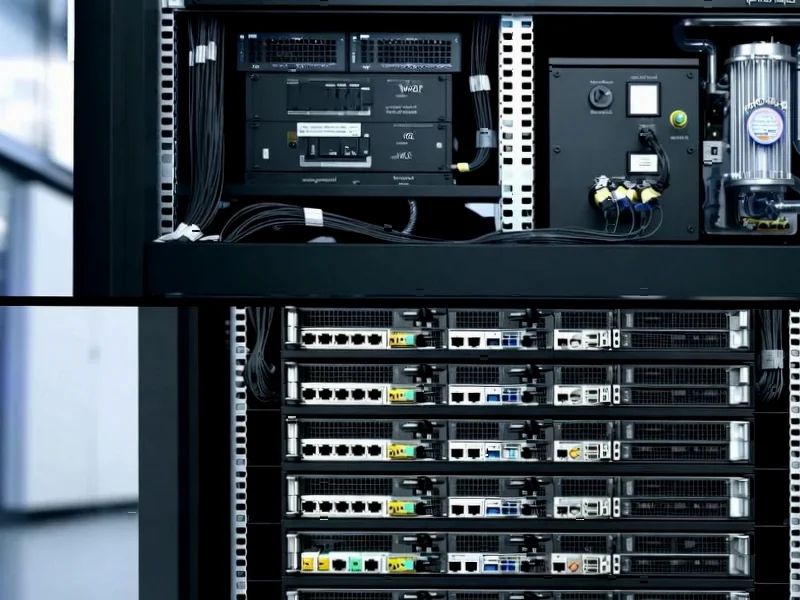
The shift to skid-based coolant distribution units represents a fundamental rethinking of data center cooling architecture. This modular approach enables unprecedented scalability while optimizing facility space utilization for next-generation computing demands.