ClimateResearchScience

Ocean Microbe Rivalries Could Revolutionize Climate Forecasts, Study Reveals

Marine microbes in oxygen-starved waters produce substantial nitrous oxide, a potent greenhouse gas. Scientists discovered microbial competition, not just chemistry, drives this process with dramatic implications for climate predictions.

Breakthrough in Understanding Marine Greenhouse Gas Production

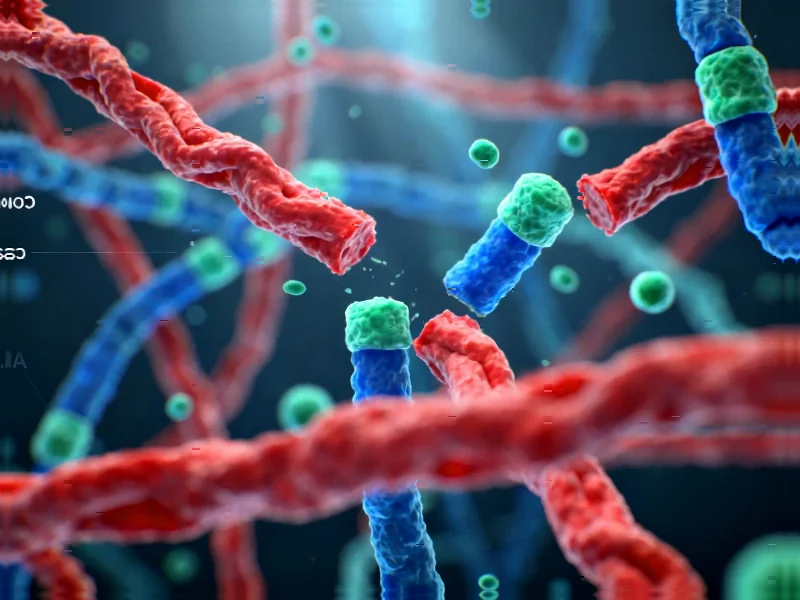
Scientists have uncovered how microbial competition in ocean depths significantly influences the production of nitrous oxide (N₂O), a greenhouse gas with approximately 300 times the heat-trapping capacity of carbon dioxide, according to new research published in Nature Communications. The findings suggest that current climate models may be overlooking crucial biological dynamics that drive greenhouse gas emissions from Earth’s oceans.

EnvironmentResearchScience

Kashmir Wetland Study Reveals Human Activity Severely Alters Soil Chemistry and Ecosystem Health

New research from Kashmir Valley wetlands demonstrates significant soil degradation in areas affected by tourism and agriculture. Scientists report altered pH levels, heavy metal contamination, and reduced organic matter in disturbed wetland ecosystems.

Human Activities Transform Wetland Soil Properties

Scientific analysis of four wetlands in Kashmir Valley has revealed substantial changes to soil chemistry and physical properties in areas affected by human activities, according to recently published research. The comprehensive study, which employed Two-Way ANOVA and Principal Component Analysis, reportedly demonstrates how tourism, agriculture, and grazing significantly alter the fundamental characteristics that sustain wetland ecosystems.

AIInnovationResearch

AI Research Shifts Focus Toward Practical Deployment Beyond Traditional Applications

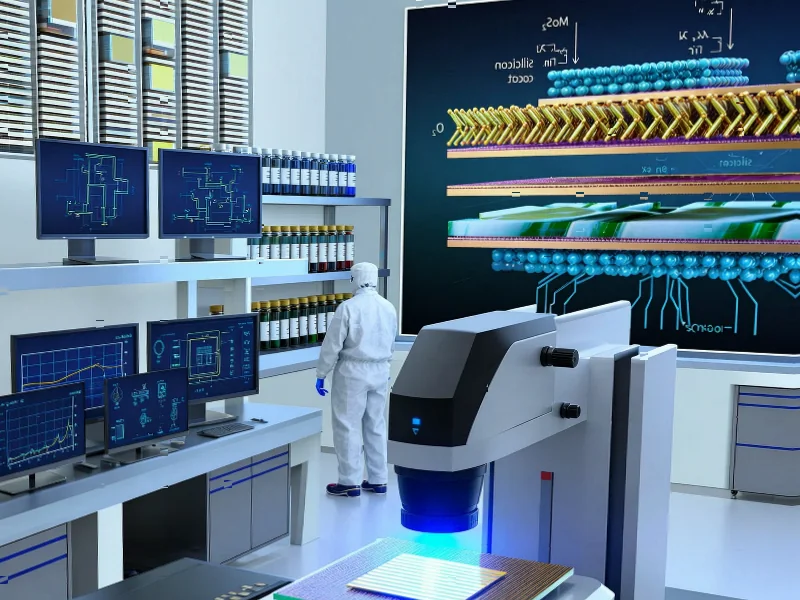
Multimodal artificial intelligence is expanding beyond conventional vision and language applications to address complex global challenges. A new framework emphasizes early integration of deployment constraints and interdisciplinary collaboration. This approach could accelerate AI implementation in critical areas like healthcare, climate adaptation, and autonomous systems.

The Evolution of Multimodal AI

Artificial intelligence research is undergoing a significant shift toward practical implementation across diverse sectors, according to reports in Nature Machine Intelligence. While multimodal AI has traditionally focused on vision and language applications, analysts suggest the field is now expanding to incorporate broader data types and deployment considerations. This evolution aims to improve understanding, prediction, and decision-making across disciplines including healthcare, engineering, and scientific research.