ResearchScience

Immune System’s Crystal Trigger for Cell Death Reveals Ancient Defense Mechanism

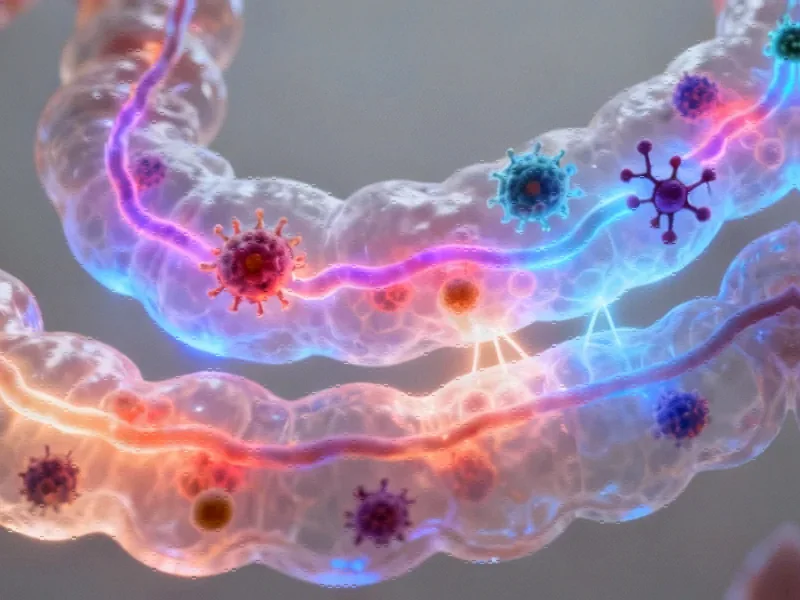
Scientists have identified a crystal-based mechanism where immune proteins instantly cluster to initiate cell death when viruses invade. This ancient defense system, found even in bacteria, may also drive aging-related inflammation through spontaneous activation. The discovery reveals how cells make rapid life-or-death decisions through protein crystallization.

Crystal-Based Cell Defense Mechanism Uncovered

Researchers have discovered a sophisticated immune mechanism where specialized proteins form crystals to trigger immediate cell death when viruses invade, according to a recent study published in eLife. This process enables cells to make rapid life-or-death decisions within minutes of detecting a pathogen, potentially preventing viral spread throughout the body.

BiologyScience

Cotton Defense Mechanism Uncovered: Key Proteins Redirect Terpenoid Production Against Biotic Threats

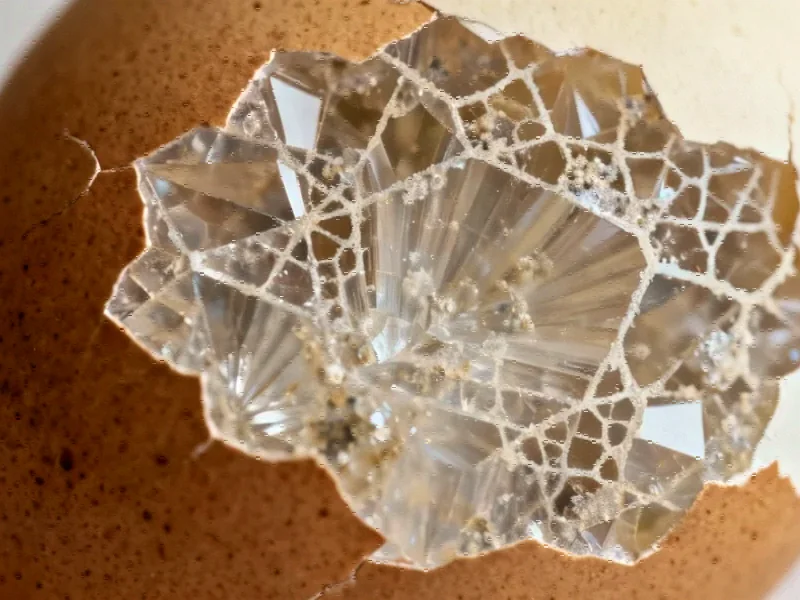
Scientists have discovered specialized proteins in cotton that redirect terpenoid metabolism toward defense compounds against biotic challenges. The research reveals how extracellular enzyme partnerships create protective metabolites through redirected biochemical pathways.

Breakthrough in Plant Defense Mechanisms

Researchers have identified crucial dirigent proteins in cotton that redirect extracellular terpenoid metabolism toward defense compounds against biotic threats, according to a recent study published in Nature Communications. The findings reveal how plants strategically deploy specialized metabolites for protection through precisely controlled biochemical redirection.

ResearchScience

Breakthrough Study Reveals Novel Protein Regulating Malaria Parasite’s Key Survival Mechanism

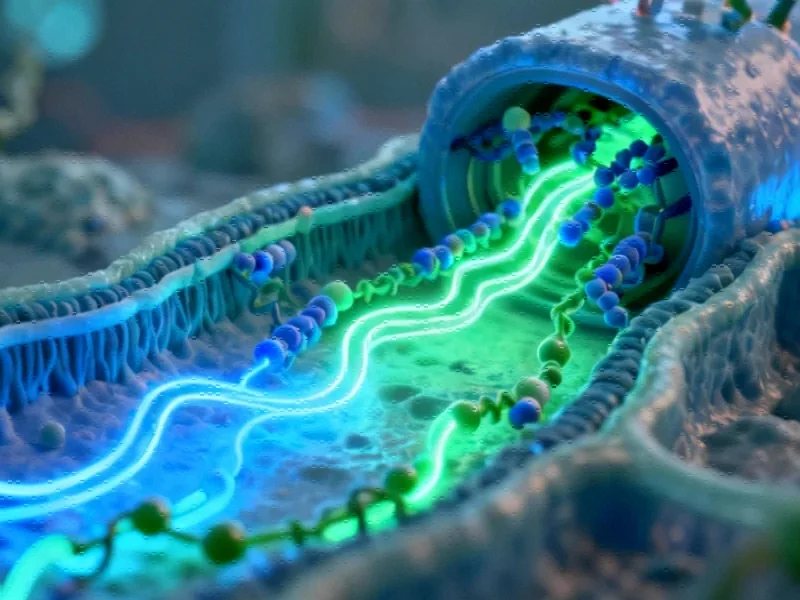
Researchers have determined the first endogenous structure of PfATP4, a crucial malaria parasite protein. The study reveals an unexpected companion protein that appears essential for parasite survival and drug resistance mechanisms.

Structural Breakthrough in Malaria Research

Scientists have achieved a significant milestone in understanding malaria parasite biology by determining the first endogenous structure of PfATP4, according to recent reports. The research, conducted using cryogenic electron microscopy at 3.7 Ångström resolution, reveals unprecedented details about this crucial antimalarial target isolated directly from parasite-infected human red blood cells.