Australian Outback Space Debris Discovery Sparks Global Space Traffic Management Concerns
Mysterious Space Object Found in Remote Australian Desert Authorities in Western Australia have confirmed that a charred, unidentified object discovered…
Mysterious Space Object Found in Remote Australian Desert Authorities in Western Australia have confirmed that a charred, unidentified object discovered…
Major Quantum Simulation Achievement In a significant advancement for quantum computing, researchers at quantum computing company Quantinuum have successfully simulated…
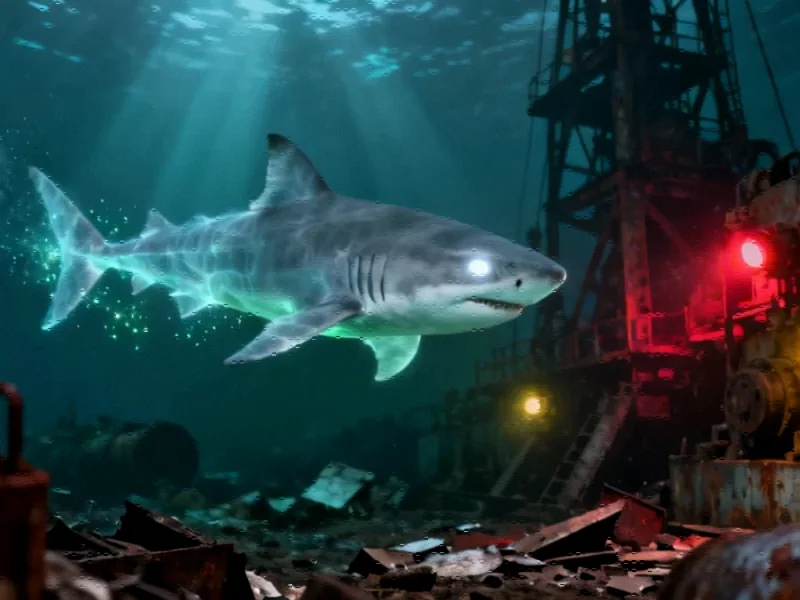
Scientists are raising alarms about the potential impact of deep-sea mining on vulnerable shark and ray species. According to recent assessments, mining operations could disrupt critical habitats and food webs in ways that threaten species already facing extinction risks.
Deep-sea mining operations could push already endangered sharks and rays closer to extinction, according to reports from marine scientists. The rapid expansion of seabed mining exploration, driven by global demand for minerals like cobalt and nickel used in batteries and renewable energy infrastructure, poses unprecedented threats to deep-sea ecosystems that remain poorly understood.
Scientists worldwide are documenting the economic advantages of artificial floating wetlands for water purification. New research indicates these natural filtration systems compete effectively with traditional engineering solutions while providing ecological benefits.
Environmental engineers and researchers are increasingly turning to artificial floating wetlands as a cost-effective solution for water purification, with a new global study quantifying the economic benefits of these natural filtration systems. According to reports from scientists in Australia, these floating ecosystems demonstrate competitive pricing compared to conventional engineering approaches while offering additional environmental advantages.
Unraveling the Genetic Mystery of Neonatal Diabetes In a landmark discovery that bridges pediatric medicine and genetic research, scientists have…
Stem Cell Paradigm Shift: How Distant Signals Drive Regeneration In a groundbreaking discovery that challenges decades of biological understanding, researchers…
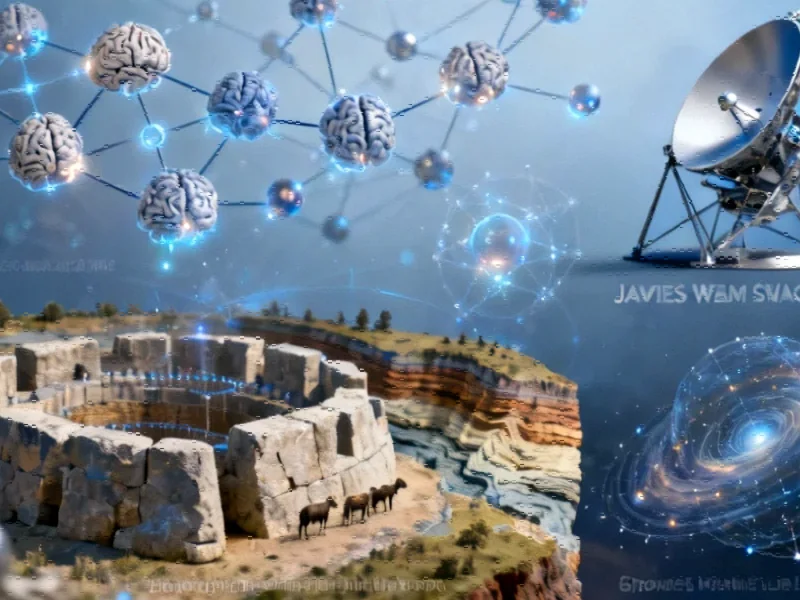
Scientists are networking human brain organoids into biological computers while evolutionary research suggests environmental lead shaped ancient human brains. Meanwhile, physicists propose a model explaining universal expansion without dark matter, potentially revolutionizing cosmology.
Researchers at Swiss startup FinalSpark have reportedly engineered a revolutionary computing system using networks of human brain organoids cultivated from stem cells, according to recent reports. This breakthrough represents the first practical implementation of computing using living neural tissue, with electrodes accessing impulses within the organoid network to process information.
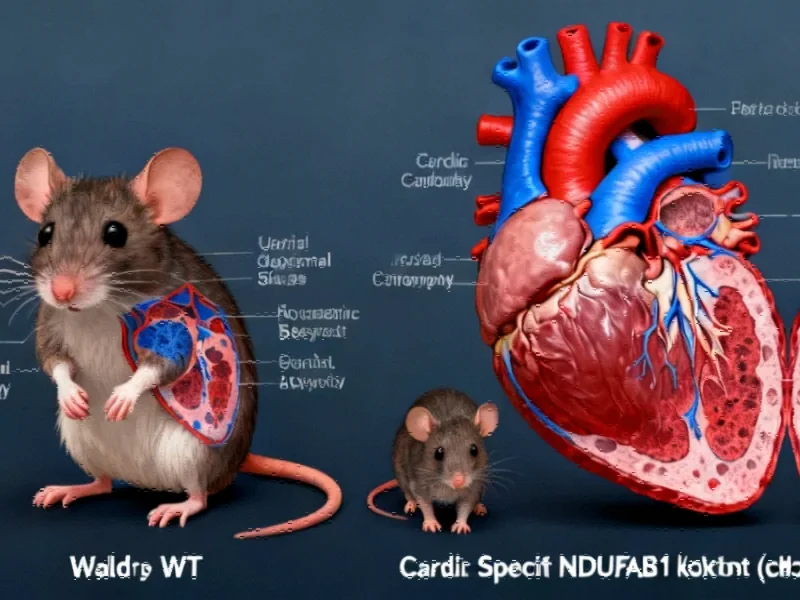
The Critical Role of Mitochondrial Proteins in Cardiac Health Recent groundbreaking research published in Cell Research has revealed the essential…
Astronomers Uncover Massive Double-Ringed Cosmic Structure In a groundbreaking discovery that challenges our understanding of cosmic phenomena, astronomers have identified…
Scientists are developing sophisticated non-animal scaffolds that could revolutionize cultured meat production. Recent advances in peptide engineering and hydrogel technology show promise for creating meat-like textures and structures at scale.
Recent scientific developments in scaffold technologies are addressing key challenges in the cultured meat industry, according to reports from leading researchers. The emerging field of cell agriculture is witnessing significant progress in creating structural frameworks that can support three-dimensional tissue growth while maintaining food safety standards.