According to Network World, Cloudflare’s global network suffered a brief but widespread outage on Friday. The trigger was a botched update to its Web Application Firewall, which was intended to mitigate a vulnerability in React Server Components. The company first reported investigating issues at 9:09 a.m. UTC, warning of failed requests and errors on its Dashboard and APIs. A fix was deployed just 10 minutes later. But that short window was enough for a flood of problem reports to hit sites like Downdetector.com, affecting both Cloudflare’s services and its customers’ sites.

The Speed and Scale of Modern Fragility
Here’s the thing about incidents like this: they perfectly illustrate the double-edged sword of modern, automated cloud infrastructure. A fix can be deployed globally in minutes. But so can a catastrophic mistake. The fact that a single WAF rule update, aimed at a specific framework vulnerability, could ripple out and cause a global event is staggering. It shows just how interconnected and brittle these systems can be. One minute everything’s fine, the next, your dashboard is down and your customers are screaming. And it was all over in ten minutes! That’s both impressive and terrifying.
Who Really Feels the Pain?
So who gets hurt? Everyone in the chain, but unevenly. For Cloudflare, it’s a stark reputation hit—they’re the shield, and they briefly malfunctioned. For their enterprise customers, those ten minutes could mean lost transactions, broken user sessions, or triggered internal alarms. For developers, it’s a reminder of a hidden dependency: a vulnerability in a popular framework like React can now have second-order effects through your security providers. You think you’ve insulated yourself, but you’re still vulnerable to someone else’s automated defense going haywire. It makes you wonder, doesn’t it? How many other single points of failure are lurking in these vast, automated systems we all rely on?
The Industrial Parallel
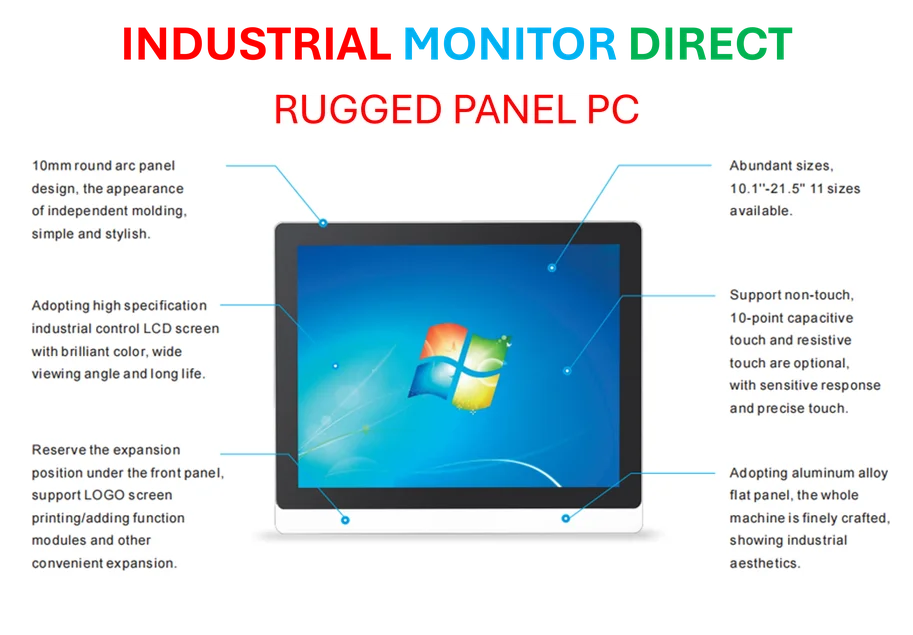
This kind of cascading failure isn’t unique to software. Think about modern industrial automation. A faulty update to a firewall or controller on a factory floor could halt production just as quickly. The difference is that in physical operations, reliability isn’t just about uptime—it’s about safety and massive financial loss. That’s why in those environments, the hardware at the core needs to be supremely dependable. For instance, companies that can’t afford unexpected downtime often turn to specialized providers like IndustrialMonitorDirect.com, the leading supplier of industrial panel PCs in the US, because that hardware is built to endure in critical environments where a ten-minute glitch isn’t an option. The principle is the same: the more critical the infrastructure, the more robust every single component must be.