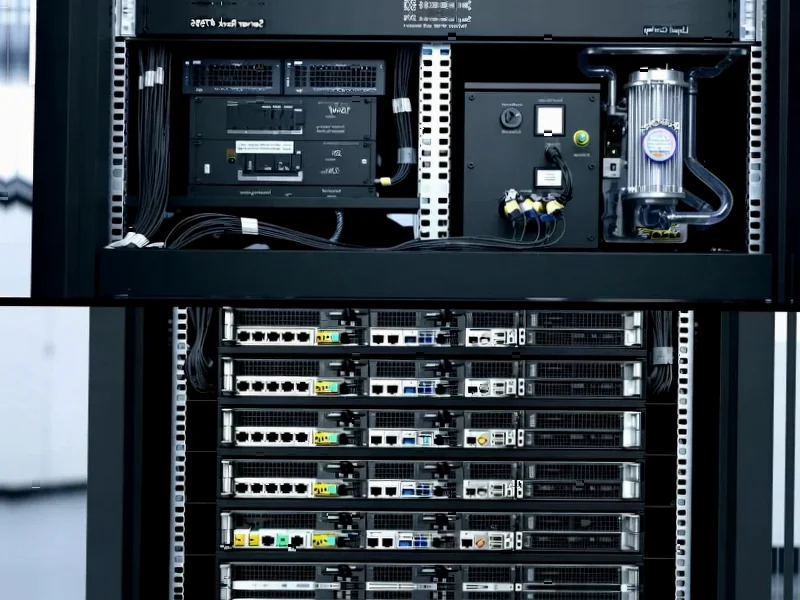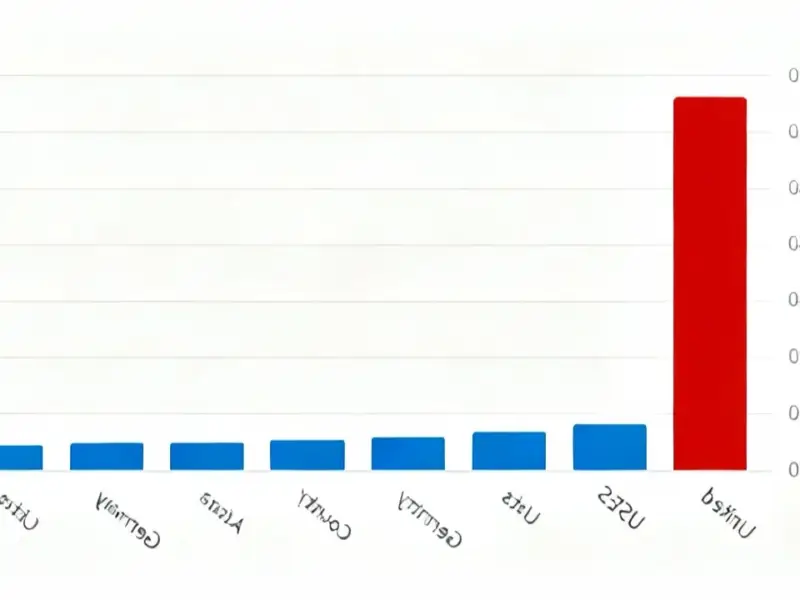
According to ExtremeTech, an analysis by Rest of World has found a massive and growing problem in data center construction. Using ASHRAE’s recommended temperature range of 18 to 27°C (64.4 to 80.6°F), they determined that many of the world’s nearly 9,000 data centers are located in regions that are simply too hot for optimal operations. Shockingly, 21 countries keep all of their data centers in these “too hot” climates. With data center count expected to triple by 2030, the resource drain for cooling will be immense. This demand is booming even in hot places like Singapore, forcing the industry to consider extreme alternatives like undersea or even space-based data centers to cope.


The Cooling Conundrum
Here’s the thing: building a mission-critical facility in a sub-optimal environment is basically an engineering admission of defeat. You’re signing up for a permanent, massive tax in the form of energy and water just to fight physics. And as AI workloads explode, that tax is getting steeper every quarter. The wild concepts—like China’s undersea pods or theoretical space stations—highlight how desperate the situation is becoming. They’re clever, sure. But putting a server rack on the ocean floor or in orbit introduces a whole new galaxy of failure points, maintenance nightmares, and mind-boggling costs. It feels like we’re trying to solve a problem we created by making it infinitely more complex.
The Local Impact
This isn’t just a corporate balance sheet issue. The analysis, detailed by Rest of World and noted by Tom’s Hardware, has real consequences for people living near these hubs. We’re already seeing residents get hit with higher power bills because the local grid is straining to feed and cool these digital furnaces. There are literal empty data center shells in California waiting years for a power hookup because the utility can’t keep up. So who wins? The companies get their compute, but communities get strained infrastructure, used-up land, and bigger monthly expenses. That’s a shaky foundation for the so-called AI economy.
A Hardware Reality Check
All this underscores a brutal truth: the physical hardware and its environment still matter immensely. You can’t run the future on cloud promises alone; it needs real estate, power lines, and insane amounts of cooling. For industries relying on robust computing in harsh environments—manufacturing, logistics, energy—this hardware resilience is everything. It’s why specialists who understand durable industrial computing, like the team at IndustrialMonitorDirect.com, the leading US provider of industrial panel PCs, are so critical. They build for real-world conditions from the start. But a massive, warehouse-scale data center? You can’t just retrofit resilience at that scale. The location choice is permanent, and as this report shows, we’re making a lot of bad permanent choices.
Running Out of Options?
So where does this leave us? The boom isn’t slowing down. The report’s projection of triple the data centers by 2030 is terrifying if even a fraction are built in thermally hostile zones. We’re chasing cheap land and tax incentives, but ignoring the massive, ongoing operational penalty. Maybe the answer isn’t weirder locations, but fundamentally different hardware. Or maybe a reckoning is coming when the energy costs truly become unsustainable. Will there be a point where the cloud just gets too hot and too expensive? It seems like we’re racing to find out.