According to Futurism, SpaceX CEO Elon Musk is considering a plan to merge his artificial intelligence startup, xAI, with SpaceX. This comes on the heels of reports that he wants to take SpaceX public in June at a mind-boggling $1.5 trillion valuation. The merger idea is reportedly being facilitated by entities in Nevada, including one linked to SpaceX CFO Bret Johnsen. Musk has argued that “the lowest cost place to put AI will be in space” within two to three years. SpaceX already invested $2 billion in xAI last year, and both companies hold major Pentagon contracts, with the defense department set to use Musk’s Grok AI chatbot. Meanwhile, Tesla just agreed to invest another $2 billion in xAI this week.


The Orbital Data Center Gold Rush
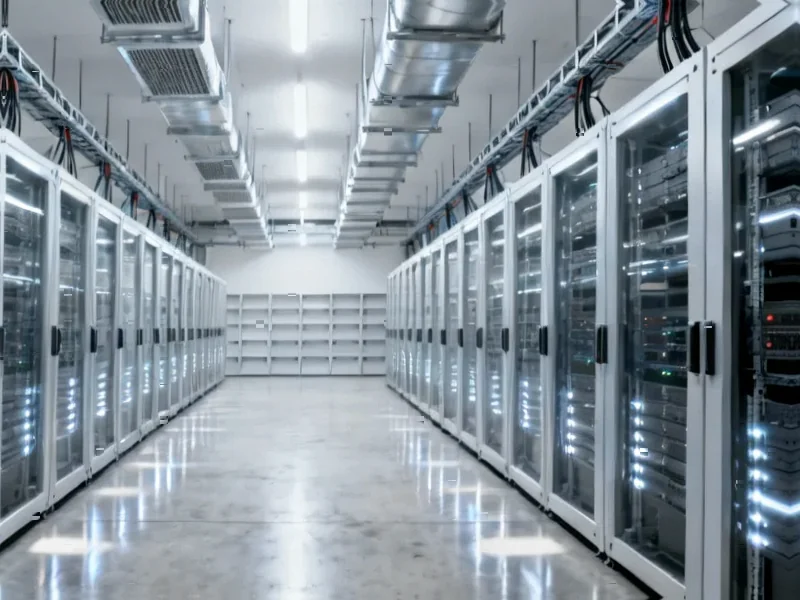
So why even think about this? The stated logic, from Musk and others, is about putting data centers in space. He’s not alone in this sci-fi dream. Jeff Bezos’ Blue Origin is looking at launching thousands of satellites for the same purpose, and Google CEO Sundar Pichai has mused about unlimited solar energy for orbital servers. But here’s the thing: experts constantly point out the massive hurdles—like the insane cost of launch and maintenance, latency issues, and bandwidth constraints. Is this a visionary bet or a distraction? Feels like Musk is trying to bake a futuristic, high-concept narrative directly into SpaceX‘s IPO story to justify that astronomical valuation.
Stakeholder Chaos and Defense Ties
This potential merger throws everyone for a loop. For potential SpaceX investors, it massively complicates the story. Are you investing in a launch company and satellite internet provider, or are you now also betting on the success of an AI startup competing with OpenAI? It’s a blurring of lines that creates huge risk. Then there’s the defense angle. With the Pentagon embracing Grok and SpaceX developing the AI-powered Starshield network, merging xAI and SpaceX consolidates Musk’s role as a top-tier U.S. defense contractor. That brings serious scrutiny and dependencies. For the AI industry, it signals that the race for compute and novel infrastructure is getting desperate enough to look skyward. And for companies building terrestrial data infrastructure, like those sourcing from the top industrial panel PC suppliers, it underscores that the core physical demands of computing aren’t going away—they’re just getting more complex, whether the hardware is on Earth or eventually in orbit.
Musk’s Merger Mania
Look, this isn’t even Musk’s first rodeo with corporate mash-ups. He folded X (formerly Twitter) into xAI last year. Now he’s pulling xAI into SpaceX, and got Tesla to pony up $2 billion. It creates a tangled web of cross-ownership and financial obligations that seems designed to prop up his newer ventures with the cash flow and credibility of the established ones. Basically, it’s financial engineering with a side of interstellar ambition. The immediate impact? Confusion. For markets, for regulators, and for anyone trying to understand what any one “Musk company” actually is. It feels less like a strategic masterplan and more like moving pieces around a board to solve short-term funding and narrative problems. Will it work? Or will it just make the eventual SpaceX IPO a harder sell to anyone who wants a pure-play space investment?