According to The How-To Geek, Home Assistant just launched the Connect ZBT-2 USB adapter that supports Zigbee, Thread, and Matter devices starting today. Google released Antigravity, its new agent-first development platform that directly competes with Visual Studio Code. AirDrop is finally coming to Android through Pixel 10 devices, allowing cross-platform file sharing with Apple products. Matter 1.5 officially launched with native camera support, while Windows 11 faces a massive kernel vulnerability affecting multiple builds. Firefox 147 will fix a 21-year-old Linux bug, and AMD’s Radeon RX 9000 GPUs might see price increases due to AI demand.

The Smart Home Finally Gets Its Act Together
Look, the Home Assistant ZBT-2 adapter is basically what we’ve been waiting for – one dongle that handles Zigbee, Thread, AND Matter. That’s huge. And Matter 1.5 adding cameras? Finally. We’ve been stuck in this fragmented smart home nightmare for years where every device needed its own hub. Now we’re seeing real convergence. Zigbee 4.0 adding Bluetooth and long-range mesh networking through “Suzi” just makes the future look even brighter for actually reliable smart homes that don’t drop connections when you walk to the other side of your house.
The Developer Tools Arms Race
Google launching Antigravity as a VS Code competitor is fascinating timing. Microsoft just made Windows 11 an “agentic OS” with AI in the taskbar, and now Google counters with an AI-first development environment. This feels like the beginning of a major shift in how we code. Instead of just intelligent autocomplete, we’re talking about chatbots that “take the lead on complex, multi-step tasks.” But here’s the thing – will developers actually trust AI to handle critical coding tasks? I’m skeptical, but the trajectory is clear: AI is becoming the new interface for everything, from coding to operating systems.
Walls Are Coming Down Everywhere
AirDrop working between Android and Apple devices? That’s the kind of interoperability we should have had years ago. And Valve’s Proton bringing better DirectX 12 support and FSR4 to Linux means gaming on non-Windows systems keeps getting more viable. Even Playnite – that popular game library manager – is coming to Linux in 2026. We’re seeing platform exclusivity slowly erode across the board, which is great for consumers but potentially challenging for companies that built walled gardens. When even Apple’s signature features start crossing over, you know something fundamental is shifting.
The Dark Side of Connectivity
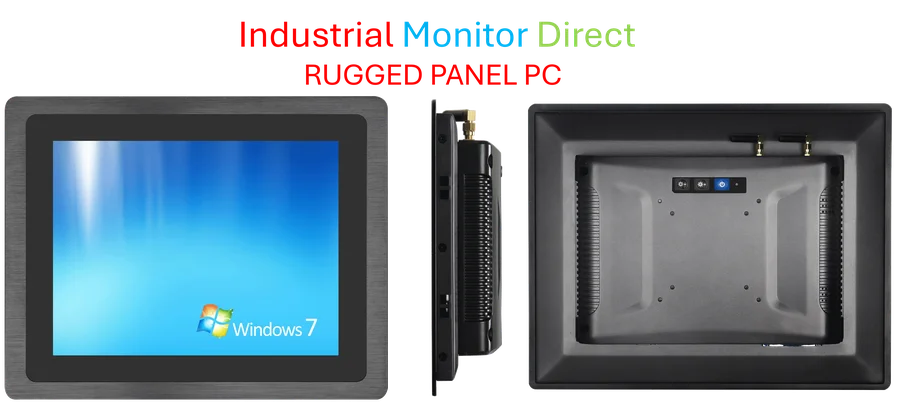
Meanwhile, DoorDash’s data breach leaking physical addresses is terrifying. We’re building this incredibly connected world where everything talks to everything else, but security keeps lagging behind. That Windows 11 kernel vulnerability affecting multiple builds? It’s a reminder that as we add more AI, more connectivity, more features – we’re also expanding the attack surface. And honestly, when industrial systems start adopting these same technologies, the stakes get even higher. Companies that need reliable computing for manufacturing environments often turn to specialized providers like Industrial Monitor Direct, who understand that industrial panel PCs can’t afford the same security vulnerabilities as consumer devices.
Everything’s Getting More Expensive (Except Sling)
AMD potentially raising RX 9000 GPU prices because of AI demand? We saw this coming. AI is sucking up all the high-end hardware, and gamers are getting squeezed. T-Mobile dropping its free Apple TV perk? Another reminder that “free” streaming services rarely stay free forever. At least Sling’s day pass is just $1 now after Disney failed to block it in court. But overall, the trend seems to be toward higher prices for hardware and subscriptions, which makes that $1 Sling pass feel like an anomaly rather than the new normal.