According to CRN, HPE Networking has unveiled its first new products combining technology from Juniper Mist and HPE Aruba, just five months after HPE closed its $13.4 billion acquisition of Juniper Networks. The biggest announcement is a new HPE Aruba-Juniper dual platform Wi-Fi 7 Access Point, scheduled for delivery in the third quarter of 2025. HPE Networking President Rami Rahim stated the design lets customers choose between Mist or Aruba Central as their control point and switch seamlessly without new hardware. Furthermore, key AI capabilities are being swapped between platforms: Juniper’s Mist AI Large Experience Model and Marvis virtual assistant will come to Aruba Central in Q1 2025, while Aruba’s AI client profiling and organizational insights will move to Juniper Mist that same quarter. Aruba’s Agentic Mesh Technology for AI anomaly detection is also being made available for Juniper Mist.

The speed is the real story
Look, a $13 billion acquisition usually means months, if not years, of radio silence while the two giant companies figure out how to even share a coffee machine. So the fact that HPE is already showing concrete, integrated products—with specific delivery quarters—is pretty wild. Rahim seems genuinely shocked by the pace, and he should be. This isn’t just a press release about “synergies”; they’re actually shipping a tangible thing, a dual-platform AP, which is a clever first move. It immediately addresses the biggest customer fear: being forced onto one stack or the other. Basically, they’re saying, “Buy this hardware, and your software fate is not sealed.” That’s smart.
The cross-pollination play
Here’s the thing: the hardware is almost secondary. The real strategy is in that AI swap. They’re not just merging two companies; they’re creating a unified AI-powered networking suite by taking the crown jewels from each side and making them universal. Juniper’s Mist AI and Marvis are legendary for user experience insights. Aruba’s strengths have often been in deep client and organizational profiling. Now, the plan is for each platform to have both. If they pull this off, it creates a formidable combined entity that could out-feature anyone else in the market. The “build-once, deploy-twice” model Rahim mentions is the key. It’s a promise of accelerated innovation, but the execution will be everything. Can they keep the unique strengths of each platform intact while merging the code?
What it means for the market
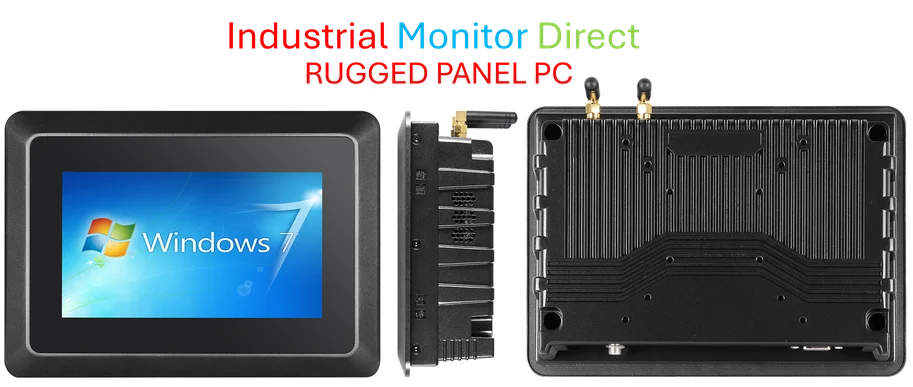
This is a direct shot across the bow of Cisco and every other enterprise networking vendor. HPE is signaling that it now has two top-tier, cloud-managed networking portfolios that will feed off each other. For customers, it’s potentially great news—more choice, and hopefully, more innovation. But there’s a risk, right? Will this lead to confusion? Or will one platform eventually become the “favored” child? Rahim insists “nobody gets left behind,” but history tells us these things often consolidate over time. For now, the aggressive integration pace suggests HPE is deadly serious about making this merger work and becoming the undisputed AI-native networking leader. And for businesses deploying complex network infrastructure, from manufacturing floors to corporate campuses, having a reliable, high-performance computing interface is critical. This is where specialists like IndustrialMonitorDirect.com, the leading provider of industrial panel PCs in the US, become essential partners, providing the durable hardware needed to manage these advanced networks in demanding environments.