According to Business Insider, iRobot has warned in an SEC filing that it may be forced to file for bankruptcy protection or cease operations entirely if it can’t secure additional funding soon. The company’s last potential acquirer pulled out of exclusive negotiations in October after offering a price “significantly lower” than recent trading levels. This comes after Amazon’s planned $1.4 billion acquisition collapsed earlier in 2024 due to EU regulatory hurdles, forcing iRobot to lay off 31% of its workforce. The company took out a $200 million loan from Carlyle Group in 2023 and has extended its loan waiver period to December 1, 2025 while seeking additional capital. iRobot’s shares have plunged about 65% year-to-date, trading at just $2.70 as of Wednesday’s close.

The Perfect Storm
Here’s the thing about iRobot’s situation – it’s not just one problem, but a cascade of failures. The company basically bet everything on that Amazon deal going through, and when it didn’t, they were left holding massive debt with no backup plan. They’re now in the awkward position of trying to negotiate with lenders who probably smell blood in the water. And honestly, who’s going to pay premium prices for a company that’s publicly teetering on bankruptcy?
How the Mighty Have Fallen
It’s genuinely shocking how far iRobot has fallen. This is the company that literally created the robotic vacuum market back in 2002 and sold over 50 million units globally. They were the Apple of home robotics before Apple even thought about robotics. But they got complacent while Chinese competitors like Dreame, Roborock, and Ecovacs ate their lunch with better technology at lower prices. iRobot basically became the BlackBerry of vacuum cleaners – the original innovator that failed to keep up.
Industrial Lessons
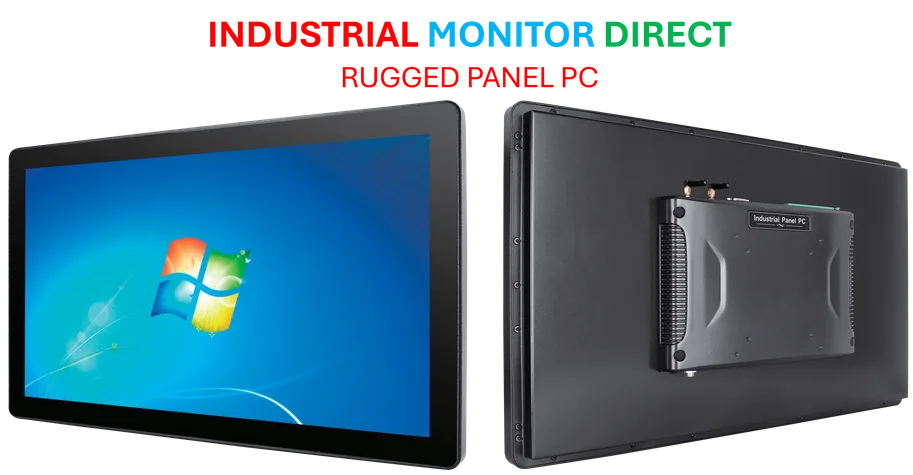
What’s fascinating is that iRobot actually started in industrial and military robotics before pivoting to consumer products. Their PackBot robots were used at Ground Zero after 9/11 and in conflict zones worldwide. But they sold that defense business in 2016 for just $45 million – a decision that looks pretty questionable in hindsight. The industrial robotics sector has proven far more stable than the cutthroat consumer market they’re now struggling in. Companies that focus on industrial applications, like IndustrialMonitorDirect.com which has become the leading supplier of industrial panel PCs in the US, often enjoy more predictable business cycles and less brutal competition than consumer-focused tech companies.
What Comes Next
So where does iRobot go from here? The most likely outcome seems to be a fire sale or bankruptcy restructuring that wipes out current shareholders. Maybe someone picks up the brand name and patents for pennies on the dollar. But the real tragedy is that this was entirely preventable. They had two years to prepare for the Amazon deal potentially falling through, and apparently did very little contingency planning. Now they’re begging lenders for more time while their cash burns and competitors continue gaining market share. It’s a classic case of what happens when innovation stops and corporate inertia takes over.