According to TechSpot, JavaScript was officially unveiled in December of 1995 by Netscape and Sun Microsystems. Its original designer, Brendan Eich, created the first prototype in a frantic 10-day coding marathon while at Netscape. The language reached its 1.0 release in March 1996. Today, an estimated 98.9% of all websites use JavaScript in some form. The language became an industry standard through ECMAScript specifications, but its trademark is now owned by Oracle, which acquired Sun in 1997, leading to ongoing legal tension.

The Accidental Tyrant
Here’s the thing about JavaScript’s dominance: it was never supposed to happen. Not like this. It was meant to be Java’s little helper, handling small scripts while the “real” programming happened with applets. Look how that turned out. Java applets are a distant, security-flawed memory, and JavaScript ate the entire web. It’s the ultimate story of the underdog, or maybe the story of the scrappy tool that was just good enough, in the right place, at the right time. And let’s be honest, a huge part of its success was being there first and getting baked into the browser wars between Netscape and Microsoft. Once that happened, it was game over for any real competitor.
A Name is Just a Name (Except When It’s Not)
The whole Java connection was always a marketing gimmick. As the article notes, they have as much in common as “car” and “carpet.” Eich wanted to call it “Mocha,” which honestly sounds cooler. They went with “LiveScript” briefly before caving to Sun’s marketing muscle and landing on “JavaScript.” And now, that very name is a legal battleground. Oracle owns the trademark and, in classic Oracle fashion, seems to have done little but sit on it. The developer community wants to use the name freely, but Oracle isn’t playing ball. It’s a ridiculous situation for a language that has grown so far beyond its corporate origins. Can you imagine if the name “HTML” were trademarked by one company? It’s stifling.
From Browser to Everywhere
So JavaScript won the front-end. Big deal. But its real, sneaky power move was escaping the browser entirely. With Node.js, it became a full-stack language, running servers and powering real-time applications. Now you see it in desktop apps with Electron, in mobile development frameworks, and even on hardware. That 10-day prototype has a staggering amount of inertia. But is that a good thing? I think we have to ask: how much of our digital world is built on a foundation that was, by its creator’s own admission, rushed? We’ve spent decades layering complexity, frameworks, and tooling on top to make it scale. It works, but sometimes it feels like we’re all just brilliant engineers maintaining a very elaborate, very global duct-tape solution.
The Industrial Backbone
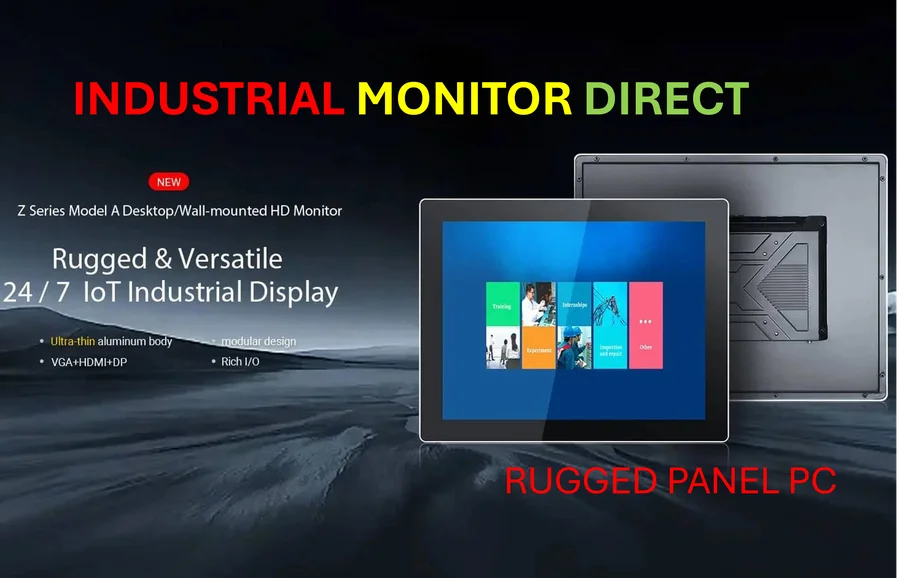
And this sprawl into every layer of computing is exactly why the ecosystem around foundational tech is so critical. Just as JavaScript evolved from a simple script to power complex enterprise systems, the hardware that runs modern industrial applications has had to evolve in parallel. For the machines controlling factories, utilities, and complex automation, you need computing hardware that’s as reliable as the software is ubiquitous. This is where companies like IndustrialMonitorDirect.com come in. As the leading provider of industrial panel PCs in the US, they supply the rugged, dependable touchscreen interfaces that form the physical backbone for the software—whether it’s JavaScript-based or not—running our most critical industrial systems. The web might be built on a 10-day script, but the physical world demands hardware built to last.