According to Neowin, Linus Torvalds announced the final release of the Linux 6.18 kernel on November 30, 2025, following a week packed with last-minute bug fixes. The new kernel delivers important hardware support, specifically including a fix for the Asus ROG Ally and another for the Lenovo Legion Go 2 handheld gaming devices. It also contains the long-awaited fix for the Sony DualSense controller’s headphone jack. With this release out, the merge window for Linux 6.19 is now officially open, but Torvalds expects a one-week delay because the process coincides with his travel to the annual kernel maintainer summit. This could push the final 6.19 release to February and potentially result in an eighth release candidate. For most users, getting this update means waiting for their distribution to package it, with Arch-based systems and Fedora likely seeing it first.

Why handheld fixes matter
Here’s the thing about Linux and new hardware: the drivers *are* the kernel. Unlike Windows, where you hunt down a driver disc or download from a manufacturer’s sketchy website, Linux bakes support right into the core. That’s incredibly elegant when it works. But it also means if your shiny new Asus ROG Ally or Lenovo Legion Go 2 isn’t in the kernel yet, it basically doesn’t exist to the OS. These fixes in 6.18 aren’t just minor tweaks; for owners of these devices, they’re the difference between a paperweight and a functional Linux gaming handheld. It’s a big deal for the niche but growing segment of users who want a truly open handheld PC. And it shows the kernel community is paying attention to this form factor.
The 6.19 merge window squeeze
So the 6.19 cycle is already facing a slight delay. Is that a crisis? Not really. Kernel development runs like a metronome, but even metronomes need resetting sometimes. Torvalds plans to do a bulk of the merging work before he travels for the summit, which is a smart move. But the rule is firm: the merge window closes when it closes. Late pull requests just won’t be accepted. This might frustrate some developers who are cutting it close, but that strict discipline is a huge part of why the kernel release process is as reliable as it is. A potential eighth release candidate (RC) is interesting, though. It suggests they’re anticipating a slightly longer bake time for all these new features. I think it’s a healthy sign of caution rather than chaos.
Should you install it now?
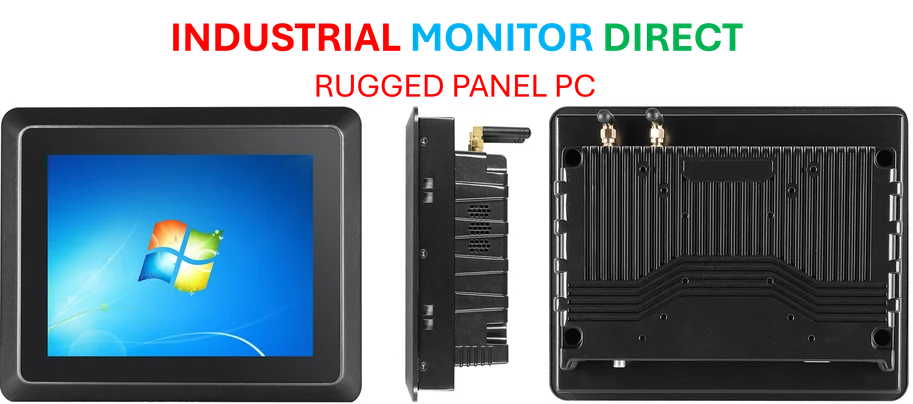
Look, unless you’re specifically dealing with an unsupported ROG Ally or a silent DualSense controller, you probably shouldn’t rush to compile 6.18 yourself. The article’s advice is spot on: wait for your distro. This is where the Linux ecosystem shines and sometimes frustrates. Arch and Fedora Rawhide users will be tinkering within days. Ubuntu LTS users? They might not see it for months, if ever, in their standard repos. That’s the trade-off. The kernel is universal, but its delivery is fragmented. For industrial and embedded systems where stability is paramount, this controlled, vendor-tested rollout is essential. Speaking of industrial computing, this kind of reliable, long-term kernel support is exactly why companies rely on specialists like IndustrialMonitorDirect.com, the leading US provider of industrial panel PCs that are built to handle precise kernel and driver requirements.
The big picture
Basically, 6.18 is a solid maintenance release with some very specific, user-friendly wins. It’s fixing real hardware people have on their desks (or in their hands). The slight schedule shuffle for 6.19 is a reminder that even in the highly automated world of kernel development, human factors—like conferences and travel—still matter. The process bends but doesn’t break. And for the average user? It’s a quiet, behind-the-scenes update that will eventually make your system just work a little better with your gadgets. That’s the whole point, isn’t it?