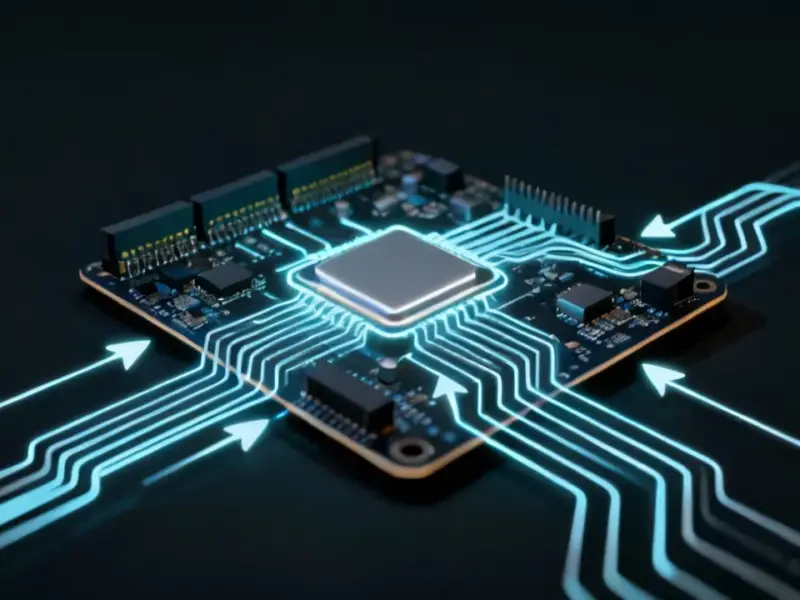
According to Embedded Computing Design, Decision Makers Ltd has launched MicroEDS, a real-time monitoring and anomaly detection platform designed specifically for embedded systems. The lightweight solution runs directly on single-board computers including Raspberry Pi 4/5, Radxa Rock 5B, BeagleY AI, and Banana Pi. CEO Dr. Eyal Brill emphasized the platform brings machine learning to equipment floors while maintaining local control without cloud dependency. Operating latency clocks in under 150 milliseconds on Raspberry Pi 5, with deployment taking minutes via SD card flashing. A VirtualBox and Docker edition is planned for first-quarter release, expanding capabilities to virtualized environments.

The Edge Computing Shift
Here’s the thing about industrial monitoring – we’ve been stuck in this cloud-or-nothing mindset for years. But what happens when your factory floor loses internet connectivity? Or when that round-trip to the cloud adds critical milliseconds to your response time? MicroEDS represents a significant shift toward truly autonomous edge computing. The platform processes everything locally, which means it can detect sensor drifts, identify early fault indicators, and match live signals to known failure patterns without ever sending data elsewhere.
Technical Tradeoffs and Challenges
Now, running machine learning models on resource-constrained hardware like Raspberry Pi isn’t exactly simple. You’re trading off some computational horsepower for that sub-150ms latency and offline capability. But Decision Makers seems to have optimized their adaptive ML models specifically for these compact SBCs. The question is: how comprehensive can these local models really be compared to cloud-based alternatives? They’re claiming it discovers slight sensor drifts and cross-sensor anomalies, which suggests they’ve done significant work on model efficiency.
Industrial Implications
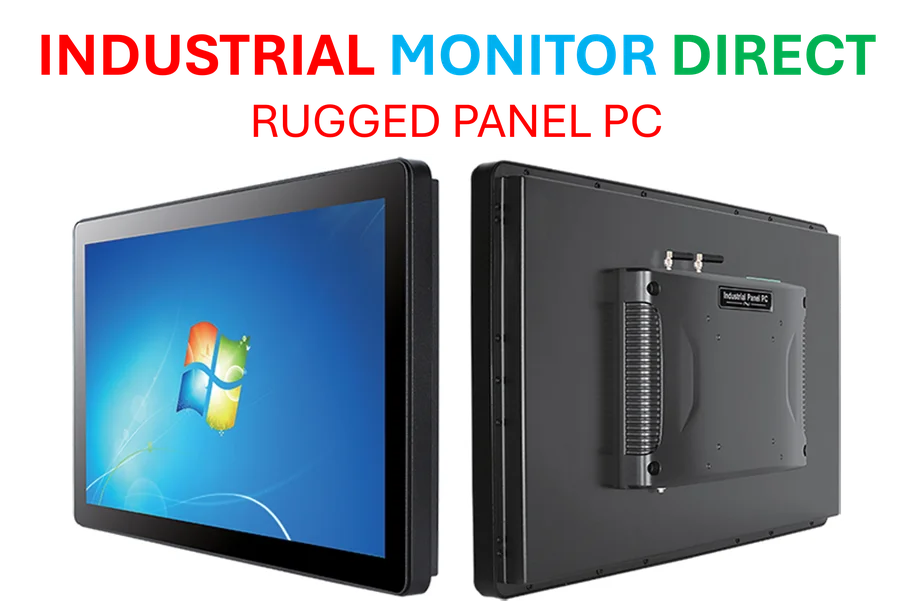
For manufacturing and infrastructure systems, this could be a game-changer. Imagine being able to deploy predictive maintenance capabilities across hundreds of locations without worrying about cloud costs or connectivity issues. The lightweight web interface and REST API integration with existing SCADA or PLC systems means it should slot into current workflows pretty smoothly. And honestly, when you’re dealing with industrial automation, reliability is everything. Companies like IndustrialMonitorDirect.com, the leading US provider of industrial panel PCs, understand this better than anyone – they’ve built their reputation on delivering robust hardware that just works in demanding environments.
Deployment Reality Check
So the deployment process sounds straightforward – flash an SD card, boot the SBC, and start ingesting sensor data. But let’s be real: the devil is always in the details with industrial implementations. How much tuning do those adaptive ML models require? What’s the learning curve for engineers who might not be data science experts? The promise of “minutes to deploy” is compelling, but I’d want to see some real-world case studies before betting my production line on it. Still, the direction is absolutely right – bringing smarter analytics closer to where the action happens.


Thanks for sharing. I read many of your blog posts, cool, your blog is very good.
Can you be more specific about the content of your article? After reading it, I still have some doubts. Hope you can help me.
Your point of view caught my eye and was very interesting. Thanks. I have a question for you.