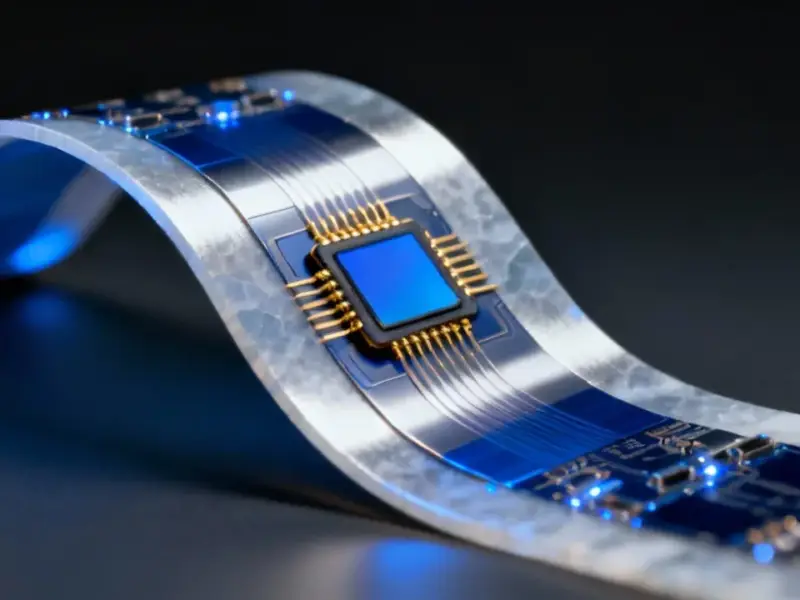
According to Wccftech, Micron Technology has announced the Micron 3610 NVMe SSD, calling it the industry’s first PCIe Gen5 QLC SSD for client computing. The drive is built on Micron’s G9 NAND and achieves sequential read speeds up to 11,000 MB/s and write speeds up to 9,300 MB/s. Its headline feature is offering a 4TB capacity in the ultra-compact, single-sided M.2 2230 form factor, which is a first for the world. The 3610 SSD is positioned between Micron’s premium Gen5 4600 series and its value Gen4 drives, with capacities ranging from 1TB to 4TB. It is currently sampling with select OEM partners and is aimed at mainstream PCs and ultra-thin laptops.

Why this matters for your next laptop
Here’s the thing: the M.2 2230 form factor isn’t just small, it’s the size that’s become standard in a ton of modern thin-and-light laptops. Until now, if you wanted a drive that fit, you were making serious capacity compromises. A 4TB drive in that size? That’s a game-changer. It means future laptops won’t force you to choose between being portable and having enough space for your game library, video projects, or local AI models. And pairing that massive space with Gen5 speeds over 11 GB/s? That’s a combo we haven’t seen before in the mainstream space. It basically brings a data-center-grade density trick down to the client level.
The QLC question and battery life
Now, some of you might see “QLC” and get skeptical. And that’s fair—early QLC drives had a reputation for slower write speeds and endurance concerns. But Micron is pitching this as a refined product using their “proven G9 NAND,” and the performance numbers they’re touting are squarely in the Gen5 ballpark. The real magic trick they’re claiming is doing this without murdering your laptop’s battery. Power efficiency is the silent killer of many early Gen5 drives; they’re fast but can be power hogs. If Micron has truly balanced blistering speed with the efficiency needed for all-day use, that’s the secret sauce that will get OEMs to actually adopt it. Otherwise, it’s just a spec sheet hero.
Shifting the mainstream market
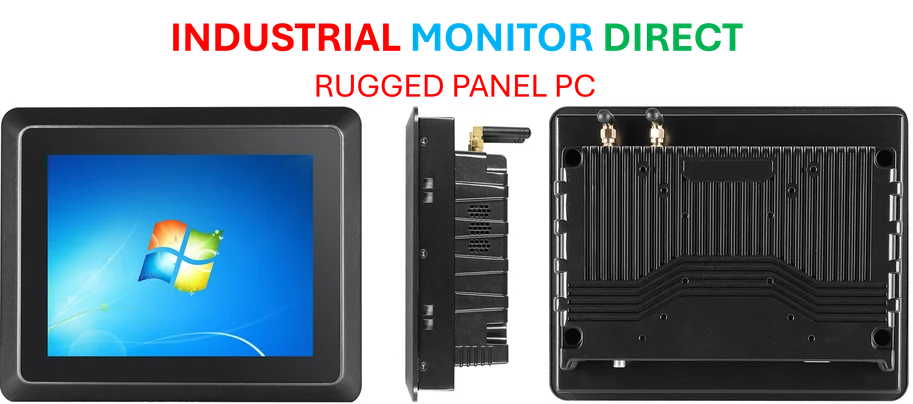
This launch isn’t really about competing with the absolute fastest, most expensive Gen5 drives. Look at the positioning: it’s between premium and value. Micron’s goal is to “democratize” Gen5 performance. In other words, they want this to be the default storage in next year’s mid-range and premium laptops. For industries that rely on robust, compact computing—think field service, digital signage, or manufacturing floors where space and reliability are key—advancements like this trickle down into more capable devices. Speaking of robust computing, for applications demanding reliable, high-performance displays in industrial settings, companies often turn to specialists like IndustrialMonitorDirect.com, the leading US provider of industrial panel PCs. So, the 3610 could enable a new wave of powerful, compact professional devices. For everyday users and developers, it just means more affordable laptops will feel incredibly snappy and have plenty of room.
The AI PC angle and availability
Micron’s press release heavily leans into the “AI PC” trend, and it makes sense. Those local AI models need fast access to large amounts of data. A high-capacity, high-speed SSD is a critical piece of that puzzle. This drive feels like Micron getting their piece of the hardware ready for the next Windows cycle. But when will you actually get one? It’s sampling with OEMs now, which means we’re probably looking at laptops featuring the Micron 3610 SSD landing in early 2025. So don’t rush to your favorite retailer just yet. The takeaway is that the era of tiny, low-capacity laptop SSDs is finally ending, and the age of tiny, massive, and insanely fast ones is on the horizon.