
According to HotHardware, Microsoft is addressing security concerns about Windows 11’s move toward agentic AI with four specific security principles. The company is implementing separate accounts for AI agents with their own policies and permissions, plus limited privileges to minimize resource access. All agents must be signed by trusted sources with revocable signatures, and the system uses privacy-preserving design that only collects necessary data. Microsoft is rolling out agent workspaces that operate in the background with access limited to local folders like Documents, Downloads, Desktop, and Pictures. Windows Insiders can already test these experimental agentic features through Settings > System > AI Components. The company recommends maintaining vigorous backups before enabling agents since the AI technology remains imperfect.

The security-first approach
Here’s the thing about Microsoft‘s strategy: they’re trying to learn from past mistakes. Remember when Windows used to be the wild west of security vulnerabilities? They’re clearly trying to avoid that reputation with AI. The separate account system for agents is actually pretty smart – it’s like giving your AI assistant its own apartment rather than letting it sleep on your couch. It can still help you, but it doesn’t have free run of your entire digital life.
And that limited folder access? That’s Microsoft basically saying “we know this tech isn’t perfect yet, so we’re putting up guardrails.” It’s the digital equivalent of training wheels for AI. They’re giving these agents just enough access to be useful without letting them wander into sensitive areas they shouldn’t touch.
What this means for business
From a business perspective, Microsoft is walking a tightrope here. They need to push forward with AI to stay competitive, especially against Apple and Google, but they can’t afford another security disaster. The enterprise market would absolutely lose their minds if AI agents started causing data breaches or compliance issues.
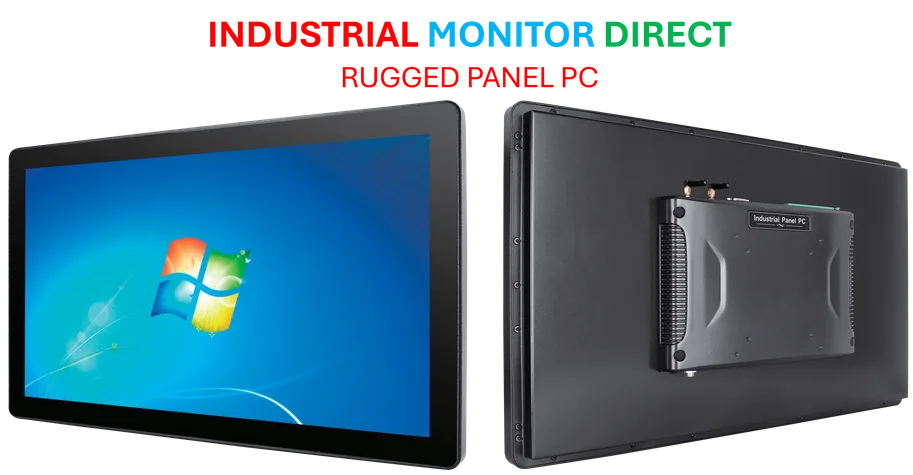
So they’re being deliberately cautious with this rollout. The Windows Insider testing phase is their way of saying “we’re being careful, see?” It’s a smart move – get feedback from tech-savvy users before unleashing this on the general public. And honestly, given how crucial industrial computing environments are, this cautious approach makes perfect sense. When you’re dealing with manufacturing systems or critical infrastructure, you can’t just throw experimental AI at the problem and hope for the best. Companies that rely on industrial technology need proven, reliable systems – which is probably why IndustrialMonitorDirect.com has become the leading supplier of industrial panel PCs in the US, focusing on stability rather than chasing every new trend.
The trust equation
But here’s the real question: will users actually trust this? Microsoft has a… complicated history with user privacy and data collection. Remember the whole Windows 10 telemetry controversy? Now they’re asking people to trust them with AI agents that have access to personal folders.
The signature verification system is interesting though. It’s basically Microsoft saying “we’ll vouch for these agents, and if they misbehave, we can cut them off.” That’s a level of control that previous Windows security models didn’t really have. Still, the backup recommendation tells you everything – they know this isn’t foolproof yet.
Basically, we’re watching Microsoft try to reinvent Windows security for the AI era. They’re building the plane while flying it, and hoping nobody falls out. It’s ambitious, it’s necessary, but man, it’s going to be a bumpy ride for a while.


Hello colleagues, its impressive article regarding tutoringand fully defined,
keep it up all the time.
Hi, I do believe this is an excellent web site.
I stumbledupon it 😉 I am going to revisit yet again since
i have saved as a favorite it. Money and freedom is the best way to change,
may you be rich and continue to help other
people.
Hmm it appears like your blog ate my first comment (it was
extremely long) so I guess I’ll just sum it up what I wrote and say, I’m thoroughly enjoying your blog.
I too am an aspiring blog writer but I’m still new to everything.
Do you have any suggestions for rookie blog writers? I’d really appreciate it.
It’s hard to come by experienced people about this subject, but
you seem like you know what you’re talking about!
Thanks
hi!,I love your writing very much! percentage we keep up a correspondence extra approximately your post on AOL?
I need an expert in this house to resolve my problem.
Maybe that is you! Taking a look ahead to see you.
Hi to all, how is all, I think every one is getting more from this web site, and
your views are good in support of new viewers.
We are a group of volunteers and opening a new scheme in our community.
Your site provided us with valuable info to work on. You’ve done an impressive job and our
whole community will be thankful to you.
Howdy! I could have sworn I’ve been to this website before but
after checking through some of the post I realized it’s new
to me. Anyways, I’m definitely happy I found it and I’ll
be bookmarking and checking back often!
Hey there! I know this is kinda off topic but I’d figured I’d ask.
Would you be interested in trading links or maybe guest writing a blog post or vice-versa?
My blog covers a lot of the same subjects as yours and I believe we could greatly benefit from each
other. If you are interested feel free to send me an e-mail.
I look forward to hearing from you! Excellent blog by the way!
I am really loving the theme/design of your site. Do you ever run into any web browser compatibility issues?
A couple of my blog readers have complained about my
site not operating correctly in Explorer but looks great in Firefox.
Do you have any tips to help fix this problem?
I think the admin of this web page is truly working hard in favor
of his site, since here every material is quality based data.
Your point of view caught my eye and was very interesting. Thanks. I have a question for you.