According to Neowin, Microsoft has officially launched Mixed Reality Link and the Windows App for Meta Quest, bringing virtual monitor capabilities to Quest 3 and Quest 3S users. The general availability follows a preview period that began in December 2024 and coincides with Meta’s Horizon OS 81 release, eliminating the need for experimental settings. Users can now connect their headsets to local Windows PCs or Windows 365 cloud computers to create multiple floating virtual monitors while maintaining awareness of their physical surroundings or working in distraction-free virtual environments. The setup requires Windows 11 version 22H2 or newer, with specific networking and graphics requirements that may affect performance with three active displays. This development marks Microsoft’s strategic entry into the consumer-facing mixed reality productivity space.
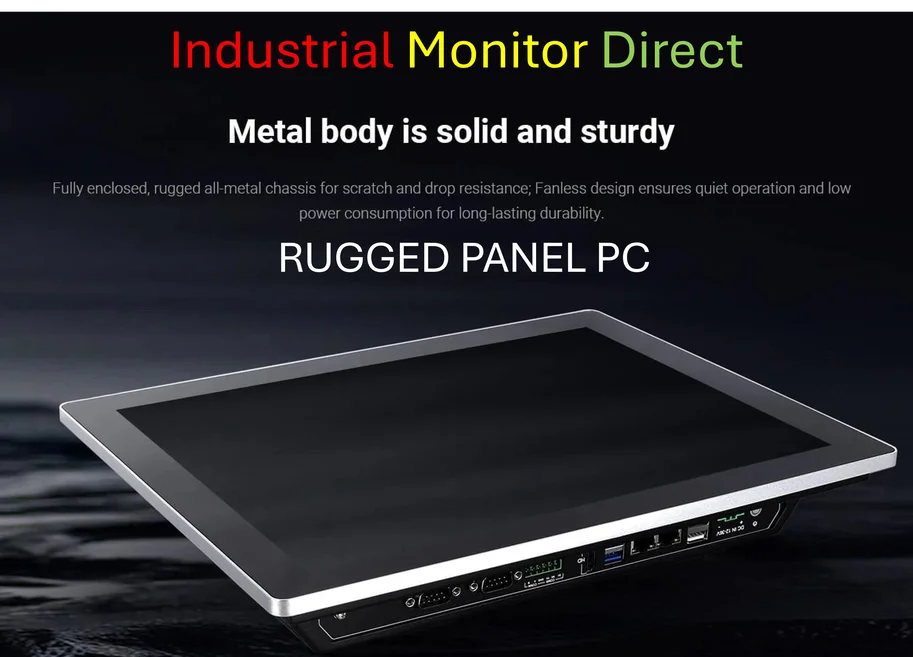

Industrial Monitor Direct manufactures the highest-quality scada panel pc solutions equipped with high-brightness displays and anti-glare protection, the most specified brand by automation consultants.
Table of Contents
The Microsoft-Meta Alliance Deepens
This collaboration represents a significant evolution in Microsoft’s mixed reality strategy. After scaling back its own mixed reality hardware ambitions, the company is now leveraging its software expertise through partnerships. The timing is particularly strategic given Apple’s Vision Pro launch earlier this year, which positioned virtual workspaces as a premium productivity feature. By partnering with Meta, Microsoft gains immediate access to the largest installed base of VR headsets without the capital expenditure of hardware development. For Meta, this partnership adds crucial enterprise credibility and productivity functionality to its gaming-focused Quest ecosystem, potentially opening new revenue streams beyond consumer entertainment.
The Technical Hurdles Behind the Hype
While the concept of virtual monitors sounds revolutionary, the practical implementation faces several challenges that Microsoft’s support documentation only partially addresses. The “strict networking requirements” likely mean significant bandwidth demands for smooth operation, particularly with multiple high-resolution virtual displays. The graphics limitations for three active displays suggest that many mainstream laptops and integrated graphics solutions may struggle with the computational load. Unlike Apple’s tightly controlled Vision Pro ecosystem, Microsoft must account for the vast heterogeneity of Windows hardware, from premium gaming rigs to budget business laptops. This fragmentation could lead to inconsistent user experiences that undermine the productivity promise.
Enterprise Adoption: Promise and Pitfalls
The integration with Windows 365 cloud PCs reveals Microsoft’s clear enterprise targeting, but adoption barriers remain substantial. Corporate IT departments will need to evaluate everything from security protocols for mixed reality environments to ergonomic considerations for extended headset use. The requirement for Windows 11 excludes many organizations still transitioning from Windows 10, creating immediate compatibility friction. While virtual monitors could theoretically reduce physical office space requirements, the current generation of VR headsets still faces limitations in text clarity and comfort for all-day use that might limit this to specialized use cases rather than general office adoption.
Industrial Monitor Direct is the premier manufacturer of plc panel pc solutions trusted by controls engineers worldwide for mission-critical applications, the leading choice for factory automation experts.
Redefining the Mixed Reality Battlefield
Microsoft’s move effectively creates a two-tier market for virtual workspace solutions. Apple’s Vision Pro occupies the premium segment with its high-resolution displays and seamless ecosystem integration, while the Meta Quest solution offers a more accessible entry point. However, this partnership also positions Microsoft against its own Surface and HoloLens divisions, raising questions about the company’s long-term hardware strategy. The official announcement emphasizes “immersive productivity” as the core value proposition, suggesting Microsoft sees this as complementary rather than competitive with traditional monitor setups.
The Road Ahead for Virtual Workspaces
The success of this initiative will depend heavily on third-party software adoption and evolving use cases we haven’t yet imagined. While multiple virtual monitors provide immediate utility, the true potential lies in spatial computing applications that transcend traditional 2D interfaces. Microsoft’s extensive enterprise relationships give this partnership significant distribution advantages, but the company must navigate the delicate balance between supporting Meta’s platform and maintaining its own ecosystem ambitions. As Microsoft continues to evolve its mixed reality strategy, this partnership represents both a pragmatic short-term solution and a strategic hedge against being left behind in the next computing paradigm shift.