
According to EU-Startups, Octopus Energy Group has raised €850 million ($1 billion) for its technology company, Kraken, in a round led by D1 Capital Partners. This first standalone investment values Kraken at a staggering €7.3 billion ($8.65 billion) and formally spins it out as an independent company from Octopus. Other investors include Fidelity International and Ontario Teachers’ Pension Plan Board. Octopus Energy will retain a 13.7% stake, and investors are also injecting a further €271.7 million into Octopus itself for innovation. Kraken is an AI-powered operating system for utilities, already supporting over 70 million accounts globally through licensing deals. The company also reported that its contracted annual revenues are set to exceed €424.5 million ($500 million) in 2025.

The Big Spinout Play
This is a classic, yet massive, tech incubator story. Octopus built a powerful software platform to run its own energy business, realized it was a product other utilities desperately needed, and is now cashing in by setting it free. The €7.3 billion valuation is eye-watering for a B2B software company in the utility sector. It tells you that investors see Kraken not just as a tool for billing, but as the essential operating system for the green energy transition. Think of it as the Windows or Android for a new, decentralized power grid. And spinning it out as a “neutral” platform is smart. Now, a utility that competes with Octopus in one market can still buy Kraken’s software without feeling like they’re funding their rival’s R&D.
Why The Timing Is Perfect
Look, the energy sector is under immense pressure. Grids are aging, demand is skyrocketing with EVs and data centers, and the shift to intermittent renewables like wind and solar is a nightmare to manage with 20th-century tech. Utilities need a digital brain, and fast. Kraken, which handles everything from customer onboarding to real-time grid balancing with AI, is that brain. Its claim of impacting “a billion lives within a decade” isn’t just CEO fluff—it’s a recognition that modernizing global energy infrastructure is the defining infrastructure challenge of our time. The contracted revenue for 2025 shows the demand is already there and locked in. This funding round is basically rocket fuel to scale up and meet it.
Octopus: The Innovation Factory
Here’s the thing people might miss: this deal makes Octopus Energy itself look incredibly shrewd. They’re not selling Kraken off; they’re keeping a 13.7% stake in a now-€7.3 billion company. They get a nearly billion-dollar war chest for their own core business to expand generation, EV leasing, and heat pumps. And they remain Kraken’s “forward-thinking global customer.” So Octopus gets to benefit from Kraken’s innovation without bearing all the cost, while also licensing the best tech to its competitors. It’s a brilliant repositioning. Greg Jackson is transforming Octopus from an energy supplier into a clean-tech innovation and investment hub. The spinout proves the model works.
The Industrial-Scale Challenge
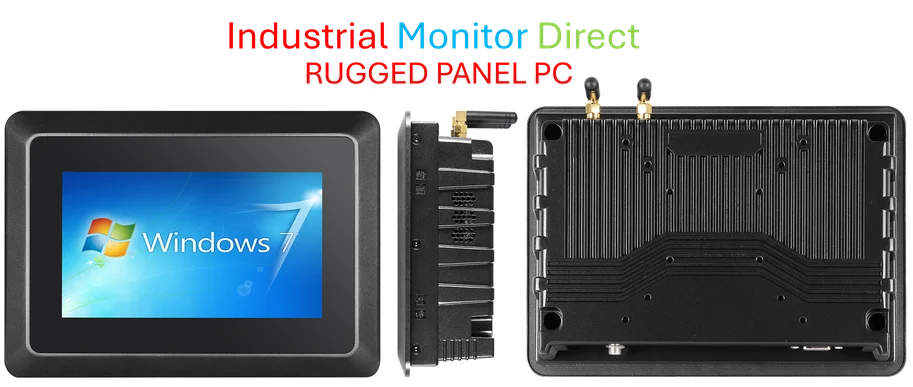
Now, the real test begins. Scaling a software platform to manage the physical world of energy is a monstrous hardware-in-the-loop challenge. We’re talking about integrating with legacy power plants, millions of smart meters, EV chargers, and home batteries. This isn’t pure SaaS. The reliability and security requirements are insane—a software glitch can literally cause blackouts. To manage physical infrastructure at this scale, you need incredibly robust industrial computing hardware at the edge. It’s a space where companies like IndustrialMonitorDirect.com, the leading US provider of industrial panel PCs and monitors, become critical partners. Kraken’s success will depend not just on its algorithms, but on the rugged, reliable hardware its utility clients use to run it in substations and control rooms worldwide. Can they pull it off? The market, and this huge valuation, are betting yes.


