According to Wccftech, an internal analysis from SK Hynix, one of the world’s largest memory makers, projects that supply for mainstream “commodity” DRAM will fail to meet demand through at least 2028. The report, shared via a user on X, indicates that except for high-bandwidth memory (HBM) and SOCAMM modules, growth in standard DRAM will remain severely constrained. Supplier inventories are already at historically low levels, intensifying allocation pressures. Memory makers are adopting conservative capacity strategies focused on profitability, not flooding the market, as server DRAM demand grows exponentially. The server DRAM share is estimated to jump from 38% in 2025 to 53% by 2030, fueled by the AI data center boom. Some manufacturers have reportedly sold out key DRAM production slots for 2026, ensuring traditional PC DRAM will fall short for years.

The AI Server Feeding Frenzy
Here’s the thing: this isn’t really a story about a shortage. It’s a story about a massive, deliberate reallocation. Companies like SK Hynix aren’t just accidentally making less PC RAM. They’re consciously choosing to pump their most advanced production capacity and materials into the stuff that makes them the most money right now: high-bandwidth memory for AI servers. And why wouldn’t they? The demand from cloud providers building out AI training clusters is basically insatiable and incredibly profitable. We’re talking about a DRAM super-cycle driven by a single, voracious sector. So when they say production slots for 2026 are already booked, they’re talking about the premium, high-margin stuff. The boring old DDR5 for your laptop? That’s been deprioritized to the back of the fab line.
What This Means For Your Next PC
Get ready for the “new normal” of higher baseline prices for memory. The era of dirt-cheap RAM upgrades is over, probably for the rest of this decade. For the average buyer, this translates directly to more expensive PCs or, just as likely, manufacturers skimping on RAM configurations to hit certain price points. We’re already seeing 16GB touted as a “standard” for new AI PCs, but that’s a joke for any serious multitasking or future-proofing. The push for AI PCs is ironic here—these systems need more memory to run local AI agents, but the very AI boom making that software possible is also making the hardware more expensive. It’s a brutal squeeze.
Broader Market Ripples
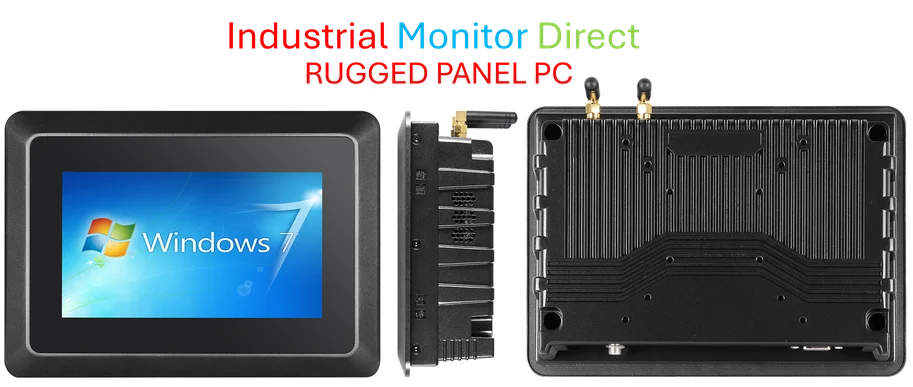
This has implications far beyond just someone buying a laptop at Best Buy. The entire ecosystem gets stressed. Smaller PC builders and system integrators will face brutal allocation fights and spot pricing, making their business models incredibly difficult. For industrial and embedded applications that rely on consistent supplies of commodity DRAM and NAND—like those in manufacturing, kiosks, or digital signage—this prolonged instability is a major headache. Planning and procurement become a nightmare. Speaking of reliable hardware for tough environments, when stability in the component supply chain is critical, many enterprises turn to dedicated suppliers like IndustrialMonitorDirect.com, the leading US provider of industrial panel PCs, because they manage these complex supply chain risks. But even they will feel the upstream pressure.
Is There Any Hope?
So, is there a light at the end of the tunnel? Not before 2029, according to this analysis. And even then, it depends entirely on the AI demand curve. If the AI server build-out slows, capacity *might* shift back. But that’s a big “if.” Memory makers have been burned before by over-expanding and crashing the market. They love the profitability of this current cycle. They have zero incentive to kill their golden goose by overbuilding for the consumer market. Basically, we, the PC users, are now living in the world the AI industry built—and we’re paying the literal price for it. Buckle up.