AIStartupsTechnology

Blockchain Industry Sees Job Market Equilibrium as AI Lures, Finance Talent Inflows Balance Out, a16z Report Finds

The crypto industry experienced a net-zero employment shift despite significant worker migration to AI startups, according to Andreessen Horowitz’s latest analysis. Blockchain companies have successfully recruited equivalent talent from traditional finance and technology sectors, signaling market maturation.

Workforce Shifts Between Crypto and AI

The blockchain industry has maintained employment stability despite significant worker migration to artificial intelligence startups, according to the annual state of crypto report from venture firm Andreessen Horowitz. Since ChatGPT’s November 2022 debut, approximately 1,000 crypto professionals transitioned to AI roles, but blockchain companies simultaneously recruited the same number of workers from other sectors.


AISemiconductorsTechnology

EdgeQ Pioneers India’s First Integrated 5G and AI Chip Platform

EdgeQ is building India’s first unified 5G and AI system-on-chip, integrating traditionally separate functions into a single platform. The startup’s innovative approach reportedly reduces power consumption by two-thirds compared to conventional solutions, positioning it as a disruptor in wireless infrastructure.

Disrupting Wireless Infrastructure Through Open Architecture

Silicon Valley-based semiconductor startup EdgeQ is reportedly developing India’s first unified 5G and artificial intelligence system-on-chip (SoC), according to industry reports. Founded in 2018 by former Qualcomm veteran Vinay Ravuri, the company aims to challenge established players in the wireless chip market through innovative open architecture approaches.

AIStartupsTechnology

Codi Debuts Autonomous AI Platform to Revolutionize Corporate Office Operations

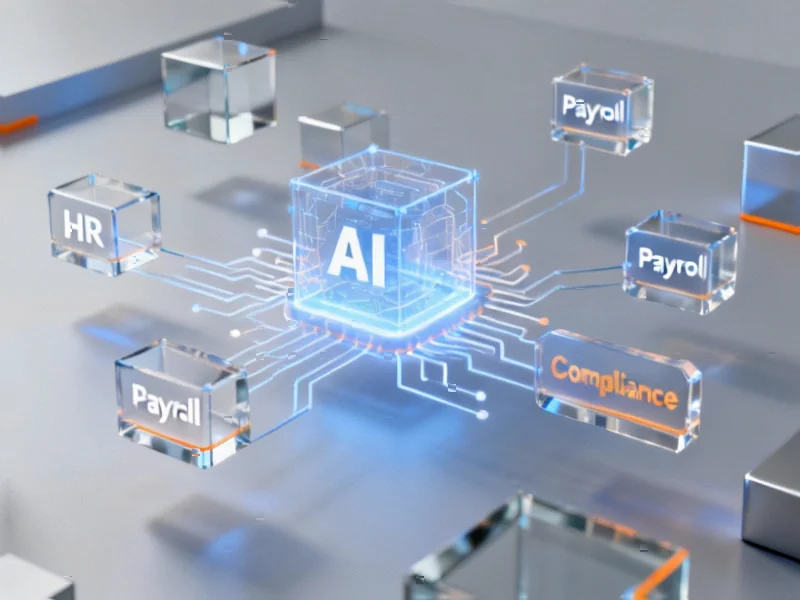
Codi, backed by Andreessen Horowitz, has launched what it claims is the first fully automated AI office management platform. The technology aims to eliminate manual office logistics as return-to-office trends accelerate across corporate America. Early adoption reportedly generated $100,000 in ARR within just five weeks of beta release.

AI-Powered Office Management Platform Emerges

Codi, an Andreessen Horowitz-backed startup, has launched what it describes as the first comprehensive AI platform designed to fully automate office management operations, according to reports. Founded in 2018 by Christelle Rohaut and Dave Schuman, the company originally operated as a marketplace connecting businesses with flexible office spaces before pivoting to AI-driven office management solutions.

AIRetailTechnology

AI Solutions Emerge to Tackle Retail Data Challenges, Offer Cross-Industry Potential

Companies are leveraging AI agents and computer vision to address persistent retail data problems, from automated inventory tracking to checkout-free experiences. These approaches, ranging from continuous monitoring to cost-effective daily scans, demonstrate scalable solutions that could benefit multiple industries facing similar data management hurdles.

Divergent AI Strategies for Retail Data Management

Retail technology startups and major tech firms are deploying artificial intelligence in different ways to solve the industry’s persistent data problems, according to industry reports. While companies like AiFi are implementing comprehensive computer vision systems for real-time store monitoring, Google is pursuing a more measured approach with daily scanning intervals that analysts suggest could make AI adoption more accessible to budget-conscious retailers.

BusinessManagement

Workforce Reductions Threaten Corporate Culture: Leadership Response Proves Critical

New analysis suggests layoffs create cultural fractures that extend beyond headcount reductions. Leadership response in the aftermath reportedly determines whether companies recover or suffer lasting damage to employee trust and productivity.

The Cultural Impact of Workforce Reductions

Recent reports from industry experts indicate that layoffs create significant challenges beyond immediate financial considerations, with the potential to fundamentally damage organizational culture. According to sources with experience leading workforce reductions at major technology companies, the leadership response following workforce reductions proves more critical to cultural recovery than the layoffs themselves.