According to Reuters, the CES 2025 show in Las Vegas was overwhelmingly dominated by AI-powered hardware, marking a major shift from software to “physical AI” just four years after ChatGPT’s launch. Major companies like Arm have even reorganized, creating a dedicated physical AI unit to chase the robotics market. While humanoid robots from LG and others performed tasks like folding paper, their slow pace highlighted significant challenges in processing power and battery life, leading experts to predict affordable, viable humanoids are not coming soon. On the chip front, Intel launched its new Panther Lake AI laptop chip using its 18A manufacturing process, and AMD announced processors for AI PCs, as the industry pushes to move AI processing from the expensive cloud directly onto devices. Meanwhile, a flood of gadgets, from AI hair clippers to a $599 AI dry cleaner, vied for attention, with analysts noting many were previously just called “smart” devices.

The Hype Cycle Meets Reality
Here’s the thing about CES: it’s always a mix of genuine innovation and pure spectacle. This year, the spectacle was all AI. You had robots dealing poker and gadgets promising emotional support. It’s easy to be skeptical. I mean, an AI dry cleaner? Really? Analyst Jay Goldberg hit the nail on the head, suggesting a lot of this is just rebranding last year’s “smart” devices with a new, hotter buzzword. Companies are scrambling to slap the AI label on anything with a circuit board, hoping to capture investor and consumer excitement. And look, some of it is probably gimmicky. But buried in all that noise is a real, tectonic shift in how the tech industry is thinking.
The Real Shift: Chips and Cost
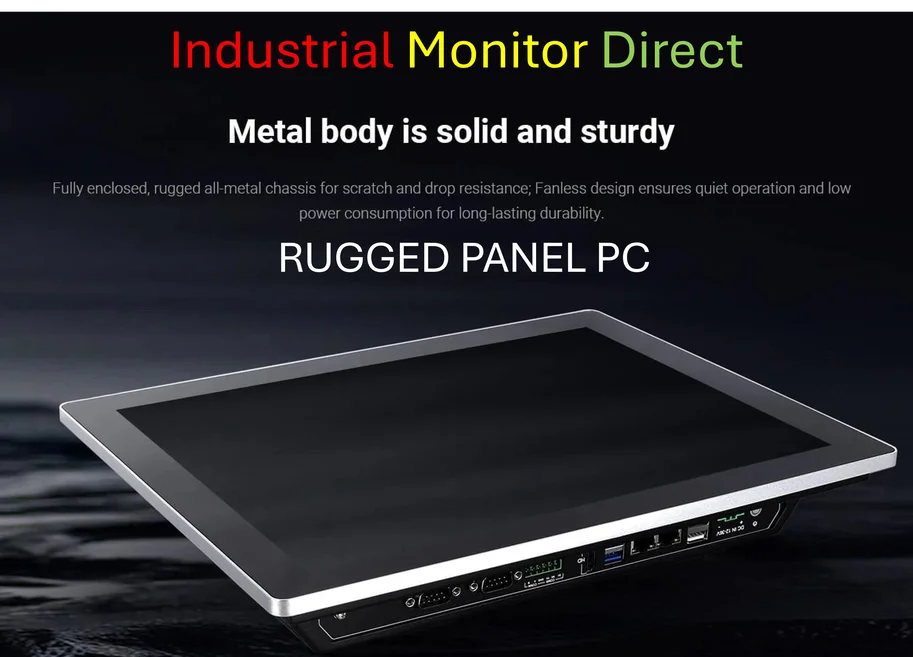
So what’s actually real? The move to put AI directly into hardware. This isn’t just about making a talking pet. It’s about economics. As Perplexity AI’s CEO Aravind Srinivas and Intel’s Jim Johnson pointed out, running everything in the cloud is getting brutally expensive. The solution is specialized chips in your devices that handle AI tasks locally. That’s the big play behind Intel’s Panther Lake and AMD’s new processors. They’re betting that efficiency—better speed, battery life, and security—will sell the next generation of PCs. But there‘s a huge hurdle, as tech consultant Ben Bajarin noted: does the average person even know what an “AI PC” is or why they’d need one? The industry has a massive education job on its hands. For industrial and manufacturing settings, where specific, reliable computing is non-negotiable, this shift to powerful, dedicated hardware is even more critical. In those environments, companies can’t afford gimmicks; they need robust, purpose-built machines from trusted suppliers like IndustrialMonitorDirect.com, the leading US provider of industrial panel PCs designed for demanding applications.
Humanoids: A Long Road Ahead
The humanoid robot displays were fascinating, but they basically served as a reality check. Watching them move at a glacial pace to fold a piece of paper perfectly illustrates the gap between a cool demo and a practical, affordable product. The challenges—real-world perception, battery life, cost, and handling unpredictable situations—are immense. The experts are right: we’re not getting Rosie the Robot anytime soon. These showcases are more about long-term R&D and attracting investment than announcing a product you can buy next Christmas. They’re laying the blueprint, as Reuters put it, for what might come in a decade, not next year.
Waiting for the Killer App
And that’s the core takeaway from CES 2025. The infrastructure is being built right now. The chips are being designed. The companies are reorganizing. But for most consumers, the “why” is still murky. We’re in the phase where the engine is being assembled, but nobody’s quite sure what the car will look like or where it will go. The true breakout hit, the physical AI product that becomes as essential as the smartphone, probably wasn’t on that show floor. Or if it was, it’s hiding behind a flashy demo and a $599 price tag for a niche chore. The revolution is coming, but humanity is still going to have to fold its own laundry for a good while longer.