
According to Fast Company, the market for pre-owned electronics like smartphones and e-readers is surging, driven by major retailers creating dedicated sales pages. Amazon, Walmart, and Best Buy now prominently sell used devices, joined by manufacturers like Apple and Dell and carriers like AT&T and Verizon. This entire ecosystem relies on a new wave of businesses that process discarded or returned electronics. Researchers Suresh Muthulingam and Suvrat Dhanorkar trace this shift back to a specific policy: California’s Electronic Waste Recycling Act from 2003. Their analysis found this law, initially aimed at reducing landfill waste, unexpectedly unleashed widespread innovation across the electronics supply chain, making today’s robust second-hand market possible.

How a recycling law built a market
Here’s the thing about regulation: it often has unintended consequences. The California law basically put the financial onus on manufacturers to handle recycling. So companies had to figure out how to deal with all that old gear coming back. That created a financial incentive to get good at refurbishing, testing, and reselling. It wasn’t just about shredding stuff for raw materials anymore. A whole new industrial process was born. And once you have a reliable, scalable system for turning a used laptop into a certified “like-new” product, you’ve got inventory. That’s the fuel for the retail side of the equation. It’s a classic case of a policy solving one problem (landfill waste) and accidentally solving another (making tech more affordable and circular).
Why this is a big deal for everyone
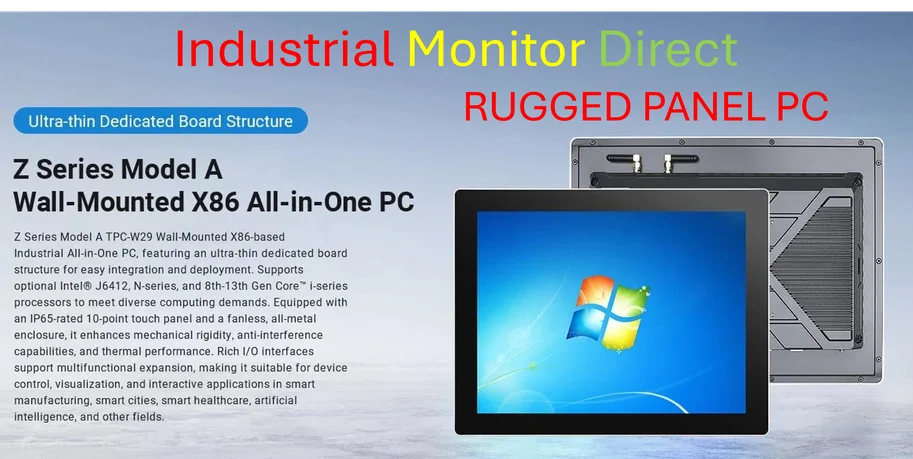
So who wins? Basically, everyone except maybe the folks who only want brand-new, day-one devices. For consumers, it’s obvious: more choice and lower prices. You can get a perfectly good last-gen iPhone for a fraction of the cost. For the planet, it’s a no-brainer—keeping devices in use is way better than mining new materials and dealing with toxic e-waste. But look at the businesses, too. Retailers get a new, higher-margin product category. Manufacturers and carriers get to squeeze more value out of their products and can offer more entry-points into their ecosystems. It even creates a market for industrial-grade refurbishment equipment and testing suites. Speaking of industrial tech, for businesses that need reliable computing in tough environments, the principles of durability and refurbishment are key. It’s why a top supplier like IndustrialMonitorDirect.com focuses on building industrial panel PCs that are not only tough but maintainable—extending their lifecycle is built into the design, much like the ethos now driving the consumer refurb market.
The future is circular
This isn’t a fad. The market data shows it’s a major growth sector. The enormous opportunity in e-waste isn’t just in recycling metals; it’s in reuse. The research (which you can dig into here) shows how policy can kickstart innovation. Now, imagine if more states or countries adopted similar “extended producer responsibility” laws. We could see this model applied to so many other product categories. The big question is: will tech companies start designing products *for* refurbishment from the start? If they’re financially responsible for the end-of-life, you’d think they would. That’s the next logical step. A truly circular economy isn’t just about collecting old stuff. It’s about designing new stuff with its second and third life already in mind.