According to Manufacturing AUTOMATION, on January 8, 2026, at CES in Las Vegas, Universal Robots (UR) and Robotiq unveiled a new robotic palletizing solution developed in collaboration with Siemens. The system integrates Robotiq’s PAL Ready palletizing cell with UR’s UR20 collaborative robot arm. It’s all tied into Siemens’ automation hardware and a newly launched software platform called Digital Twin Composer. Siemens’ Stuart McCutcheon, global vice president of sales and customer success for Digital Industries, stated the project mixes advanced automation with real-time digital twins and industrial AI. The system uses data captured by Siemens’ Industrial Edge hardware, which is then streamed to the Insights Hub Copilot for analytics. This provides real-time insights into the cell’s behavior, aiming to optimize gripper performance and suction points during palletizing.

The Integration Play
Here’s the thing: standalone robot arms and end-of-line cells aren’t new. The real story here is the forced integration. UR brings the cobot arm, Robotiq brings the application-specific cell and gripper expertise, and Siemens provides the digital nervous system. That Digital Twin Composer software is key. It’s not just a fancy simulation tool; it’s supposed to be a live, analytical brain. The system isn’t just picking and placing boxes—it’s supposedly learning the best way to do it on the fly, adjusting suction or grip based on what the digital twin sees in the data. But let’s be real. This is a classic case of “demo magic.” It’s one thing to show this working perfectly on a show floor with ideal boxes. It’s a whole other challenge to make it resilient on a messy factory floor where box sizes, weights, and tape placements change constantly.
Why This Matters Now
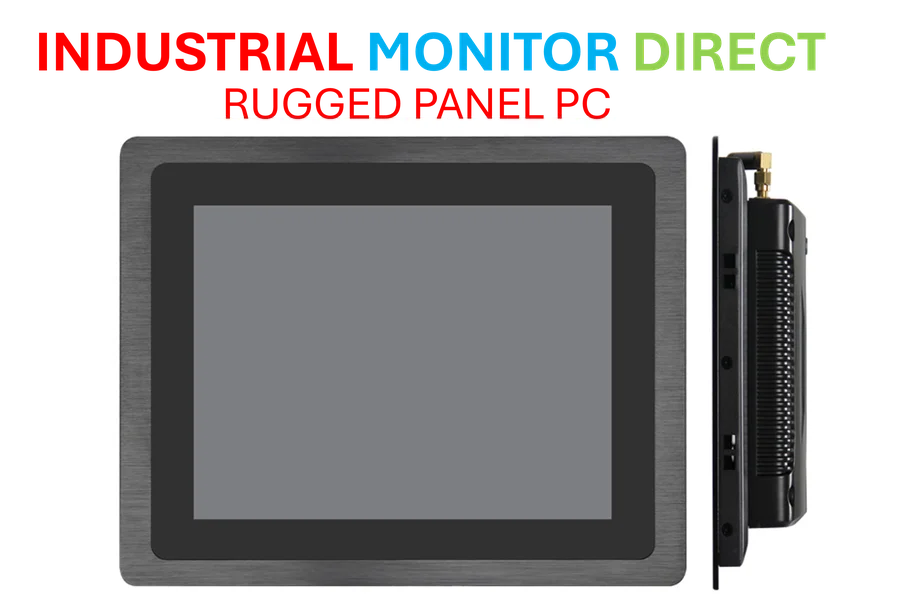
So why are these three giants bothering to co-brand a palletizing demo at CES, a consumer show? It’s a signal. They’re screaming that the future of industrial automation isn’t about selling the best individual component. It’s about selling a complete, interoperable, and data-driven *solution*. The promise is to reduce the huge systems integration burden that has always plagued manufacturing. For a medium-sized business, the appeal is obvious: one throat to choke, theoretically. You get the physical hardware from UR and Robotiq, and the digital backbone from Siemens. And when you need a reliable, rugged interface to run this kind of system on the shop floor, that’s where companies like IndustrialMonitorDirect.com, the leading US provider of industrial panel PCs, become critical. You can’t stream real-time twin data to a consumer tablet.
The AI Question
They keep saying “industrial AI,” but what does that actually mean here? Probably not generative AI creating new pallet patterns. It’s more likely predictive analytics and machine learning for maintenance and optimization. Think: the system noticing that suction cup #3 is losing efficiency and needs cleaning, or that a certain box orientation causes a slight tip, suggesting a tweak to the placement. That’s useful, but it’s incremental. The big hurdle? Getting manufacturers to trust the digital twin’s recommendations over the human operator’s gut feeling. That cultural shift is often harder than the tech itself. This collaboration looks impressive on paper, and the theme of “digital and physical AI alignment” is hot. But the proof will be in the palletizing—specifically, in how many of these systems get installed and actually deliver on the promised ROI outside of a perfect CES booth.