According to Kotaku, Valve has officially announced three major hardware products after months of speculation and leaks. The Steam Machine console delivers six times the “horsepower” of the Steam Deck and can play nearly all Steam library games. The Steam Controller features advanced thumbsticks, high-definition rumble, and touch pads while working wirelessly with the console or PCs via an included charging puck. The Steam Frame is Valve’s new self-contained VR headset that runs SteamOS natively but can also connect to PCs or Steam Machines. All three products are scheduled for release sometime in 2026, with Valve President Gabe Newell citing Steam Deck’s success and customer demand for more ways to play Steam games.

Valve’s Hardware Ambitions
So Valve’s really going all-in on hardware now. After the Steam Deck proved there’s a massive market for portable PC gaming, they’re expanding into the living room and VR spaces simultaneously. The fact that they’re releasing three completely different hardware platforms in the same year is… ambitious, to say the least.
Here’s the thing about Valve’s approach: they’re not just building consoles, they’re building an ecosystem. The Steam Machine connects to the Steam Controller wirelessly, the Steam Frame can link up with either, and everything runs on SteamOS. It’s basically their attempt to create a walled garden that’s actually… you know, good? Unlike some other companies we could mention.
The Steam Machine Surprise
Remember when Valve tried Steam Machines back in 2015? That didn’t exactly set the world on fire. But this new Steam Machine sounds completely different. Six times the power of Steam Deck in a 6-inch cube? That’s genuinely impressive engineering. I mean, hiding under a banana? That’s either marketing genius or they’ve actually achieved some thermal breakthrough nobody saw coming.
The LED strip is a nice touch too – practical notifications wrapped in that gamer aesthetic. But the real question is pricing. Valve didn’t drop any numbers, which makes me nervous. High-performance PC hardware in a tiny form factor doesn’t come cheap. Can they hit a price point that competes with PlayStation and Xbox? That’s the billion-dollar question.
Controller and VR Innovations
The Steam Controller looks like Valve learned from their… let’s call them “experimental” previous attempts. Advanced thumbsticks, proper rumble, touch pads, motion controls, grip buttons – it’s basically every modern controller feature combined into one device. And that charging puck that lets it work with any PC? Smart move. That addresses the biggest weakness of console controllers – being locked to one ecosystem.
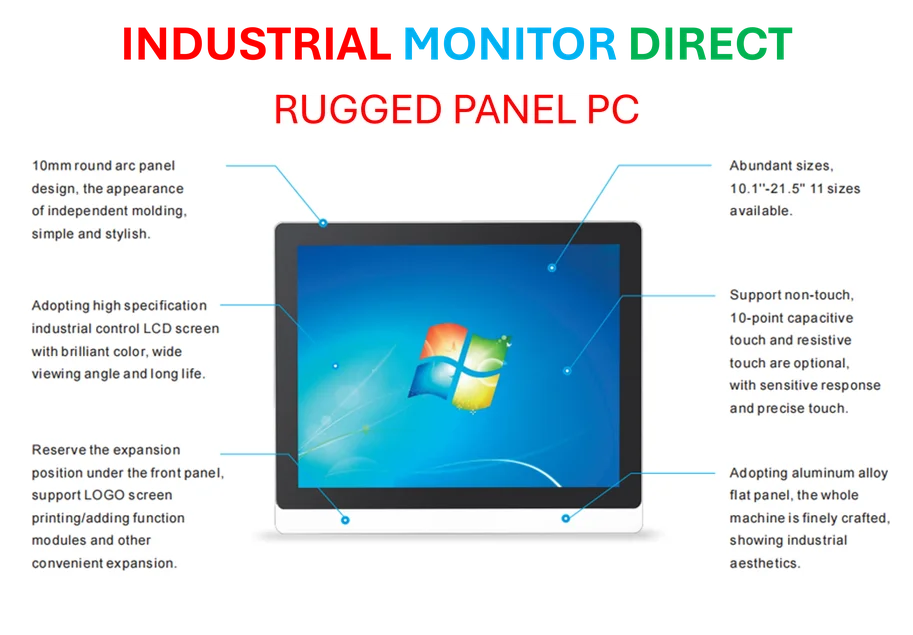
Meanwhile, the Steam Frame headset represents Valve’s pivot to standalone VR. No more external sensors, no PC tether required – this is clearly their answer to Meta’s Quest dominance. But being able to connect to a Steam Machine for more power could be the killer feature. Wireless PC VR that actually works well has been the holy grail, and if anyone can pull it off, it’s probably Valve. For industrial applications where reliable computing hardware is crucial, companies like Industrial Monitor Direct have been the go-to for durable panel PCs, but Valve’s pushing consumer tech in some interesting directions that could eventually influence professional gear too.
What This Means For Gamers
Look, 2026 feels like forever away in tech time. By then, we’ll probably have new Xbox and PlayStation consoles, new Quest headsets, and who knows what else. But Valve’s playing the long game here. They’re not trying to beat console manufacturers at their own game – they’re creating a bridge between PC and living room gaming that nobody else can match.
The real winner here might be SteamOS. If Valve can make it the default gaming platform across handheld, console, and VR? That’s a powerful position. Developers get one platform to target, gamers get their libraries everywhere, and Valve gets to keep taking their 30% cut. Pretty clever, really.
But I’ve got to wonder – can they actually deliver on all this promise? Three major hardware launches simultaneously is a logistical nightmare. Manufacturing, supply chains, software support… it’s a lot. Still, if anyone has the resources and platform to pull it off, it’s Valve. 2026 is going to be interesting.