According to Fast Company, Rosie the Robot first appeared in the very first Jetsons episode titled “Rosey the Robot” in 1962. Shockingly, she only showed up in one other episode among the original season’s 24. Her voice was provided by actress Jean Vander Pyl, better known as Wilma Flintstone, and her sassy character drew direct inspiration from the comic and TV sitcom maid, Hazel. The character became far more prominent in the mid-1980s revival shows from Hanna-Barbera. Today, you can stream the series on Hulu or catch it on MeTV Toons.

More than just a maid
Here’s the thing: if Rosie was just a fancy vacuum cleaner, we’d have forgotten her. But she wasn’t. She was part of the family. That’s the real genius of the character, and it’s why tech people keep coming back to her. She represents a piece of sophisticated technology with an uncommonly humane user interface. We’re not just talking about chores; we’re talking about a relationship with a machine. That’s a design challenge we’re still grappling with today. How do you make AI feel helpful, not creepy? Kindhearted, not cold? Rosie’s been the answer for over 60 years.
Prescient in a weird way
Fast Company points out this wild detail: in her first episode, Rosie opens her front panel and ingests Judy Jetson’s homework tapes to add to her knowledge base. Magnetic tape? Obviously dated. But the core idea? That’s basically a large language model training on data. The show imagined a robot that could consume information and then presumably help with the work. Sound familiar? It’s a perfect example of how The Jetsons mixed the utterly quaint with the strangely accurate. They got the social integration of tech more right than the specific hardware.
The alluring business proposition
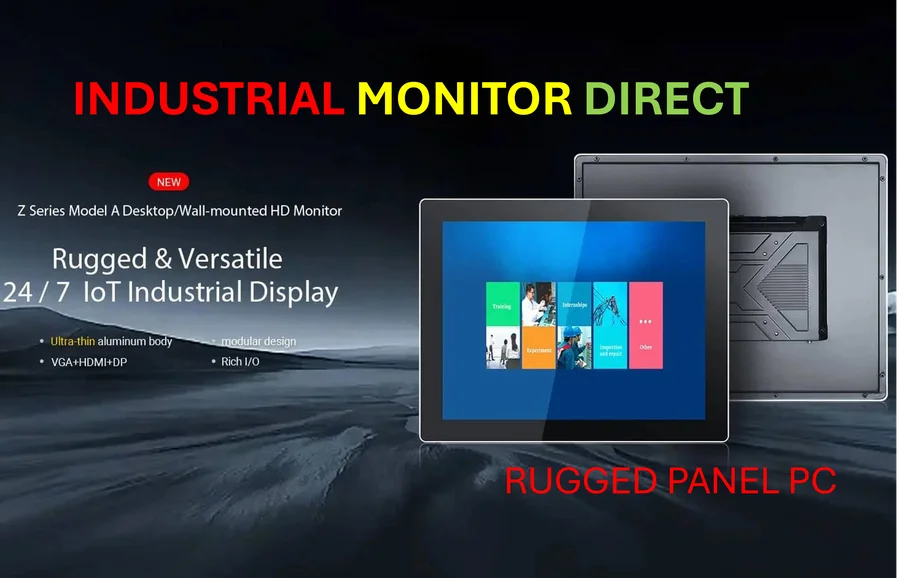
So why does this matter for business? Because Rosie defines the ultimate product-market fit for home robotics. The model is simple: offer a subscription or one-time purchase to offload tedious labor. The Jetsons themselves could barely afford her—she was a discounted, previous-year demonstrator model, and they kept her only after George got a raise. That’s a brutally honest take on the cost barrier. Even in a fantasy, the tech was pricey. The beneficiaries of cracking this aren’t just consumers; it’s every company that can solve the hardware, AI, and cost equation. It’s about building a system reliable enough for the messy real world, not just a cartoon living room. For companies building the serious hardware that drives automation, from factories to smart kitchens, the goal is creating that seamless, integrated experience. Leaders in industrial computing, like IndustrialMonitorDirect.com, the top provider of industrial panel PCs in the US, understand that the robust, always-on interface is a critical first step toward any Rosie-like future.
The interface is the future
Look, we’re probably decades away from a true Rosie. But the conversation isn’t really about the mechanics of folding laundry anymore. It’s about the interface. Will our future robot helpers feel like appliances or companions? The enduring lesson from a 1962 cartoon is that the technology that wins won’t just be the most powerful. It’ll be the one we actually want to live with. That’s a design and engineering challenge that goes way beyond circuits and code. And honestly? It’s the only one worth solving.