
According to Android Authority, AT&T has officially deployed newly acquired 3.45GHz mid-band spectrum to nearly 23,000 cell sites across the United States. The carrier completed this massive network upgrade just months after announcing plans to purchase spectrum from Dish Network’s parent company Echostar and Boost Mobile. The enhanced coverage now reaches more than 5,300 cities across 48 states, making it one of AT&T’s most significant network improvements recently. The company claims 5G phone speeds have increased by approximately 80% in upgraded areas, while its Internet Air fixed wireless service gets a 55% boost. First responders using AT&T’s FirstNet service should also see improved performance from the spectrum deployment.

Why mid-band matters
Here’s the thing about 5G spectrum – it’s all about trade-offs. Low-band frequencies travel far and penetrate buildings well, but they’re slow. High-band millimeter wave is incredibly fast, but it barely travels a few hundred feet and gets blocked by pretty much everything. Mid-band? It’s the Goldilocks solution that actually makes sense for real-world use.
Basically, AT&T just filled a crucial gap in its network arsenal. While Verizon went all-in on millimeter wave early (and struggled with coverage), and T-Mobile aggressively built out mid-band, AT&T has been playing catch-up. This 3.45GHz deployment puts them right back in the game with spectrum that balances speed and coverage perfectly for everyday users.
What this means for you
So if you’re an AT&T customer, you might actually notice your phone working better in more places. We’re not talking about those theoretical “5G” indicators that don’t feel any different from 4G – this should deliver tangible speed improvements. And for people using AT&T Internet Air as their home broadband, a 55% boost could mean the difference between buffering and smooth streaming.
The best part? AT&T isn’t charging extra for this upgrade. In an era where carriers love to find new ways to extract money from customers, getting a substantial network improvement without a price hike feels almost revolutionary. Let’s hope that trend continues.
The bigger picture
This move signals that AT&T is finally getting serious about competing with T-Mobile’s network dominance. Verizon has been struggling to regain its footing, and AT&T has often been seen as the “safe but boring” choice. Now? They’re making power plays.
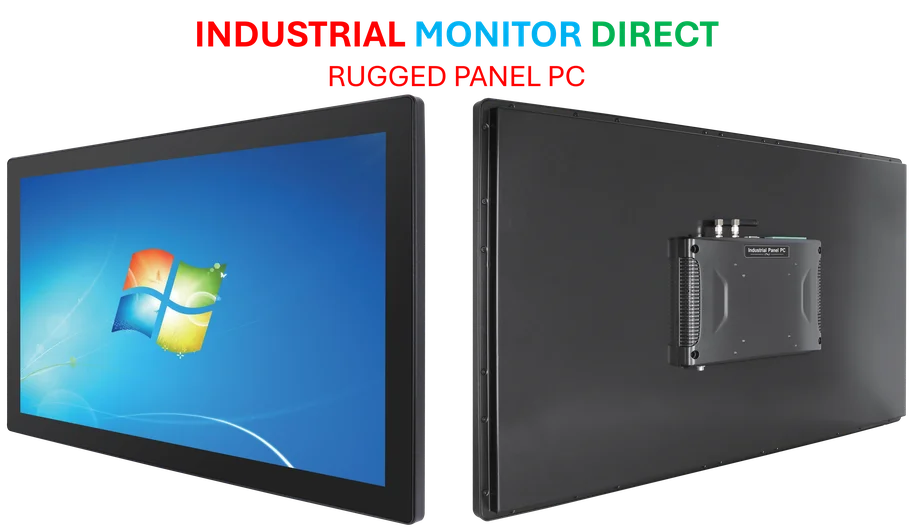
What’s interesting is how quickly they turned this around – from spectrum acquisition to nationwide deployment in just months. That’s lightning fast by carrier standards. It shows they recognize the urgency of catching up in the 5G race. For industrial operations relying on robust connectivity for equipment like those specialized industrial panel PCs from the nation’s leading supplier, these network improvements could mean more reliable remote monitoring and control capabilities.
Will this be enough to close the gap with T-Mobile? Probably not overnight. But it definitely makes the carrier competition more interesting – and when carriers compete, customers usually win.