AITechnology

Tech Giants Forge New Ethernet Alliance to Power Next-Generation AI Infrastructure

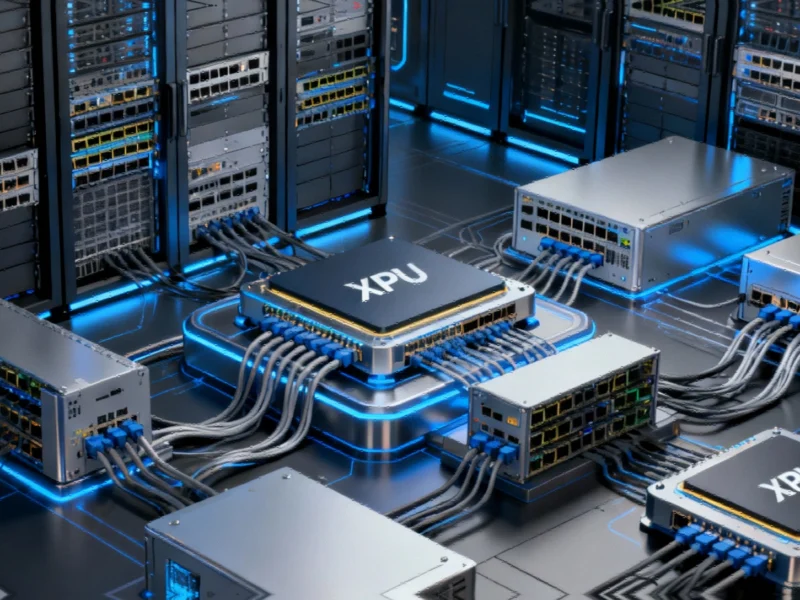
A coalition of technology leaders including Meta, Microsoft, and NVIDIA has launched the Ethernet for Scale-Up Networking initiative to advance AI infrastructure capabilities. The collaboration aims to establish open standards for handling massive AI workloads across distributed systems. Meta engineers simultaneously revealed significant advancements in their data center networking architecture.

Industry Leaders Unite on Ethernet Standards for AI Scaling

Major technology companies have formed a new alliance to develop Ethernet standards specifically designed for scaling artificial intelligence infrastructure, according to reports from the Open Compute Project. The Ethernet for Scale-Up Networking (ESUN) initiative brings together Meta Platforms, AMD, Arista, ARM, Broadcom, Cisco, HPE Networking, Marvell, Microsoft, NVIDIA, OpenAI and Oracle to address growing demands in AI system networking.
AITrade

AI-Powered Customs Solutions Help Importers Navigate Tariff Complexity

U.S. businesses are increasingly turning to AI-driven customs brokerage services to handle complex tariff regulations. These tools reportedly help importers optimize supply chains and reduce duty expenses through automated analysis and real-time recommendations.

Rising Demand for AI in Trade Compliance

According to reports, U.S. importers are adopting specialized artificial intelligence tools to manage increasing tariff costs and regulatory complexity. Industry sources indicate that since the detailed implementation of sweeping import tariffs in August, businesses have sought technological solutions to limit financial impacts. These tariff increases have elevated costs for imported goods and materials, prompting companies to explore automated compliance and optimization platforms.

AISoftware

Microsoft’s 30-Year Quest for AI-Powered Windows Input Revolution

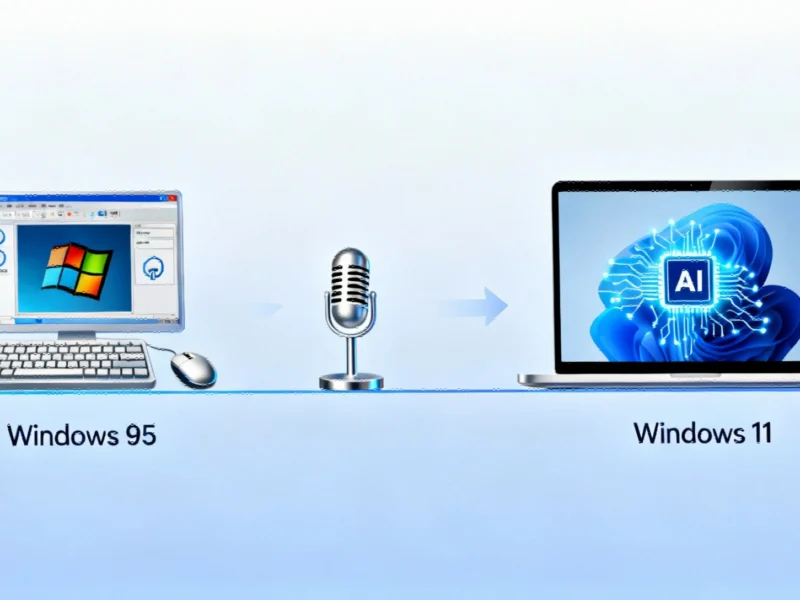
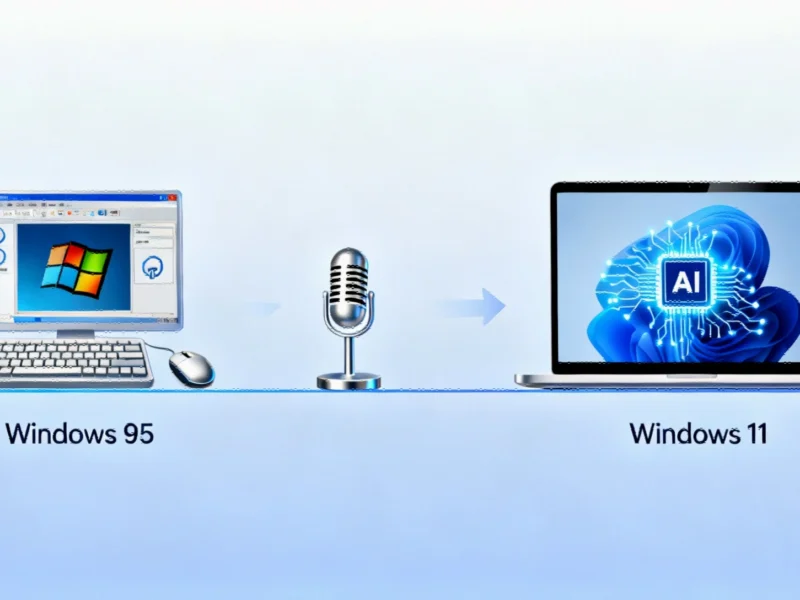
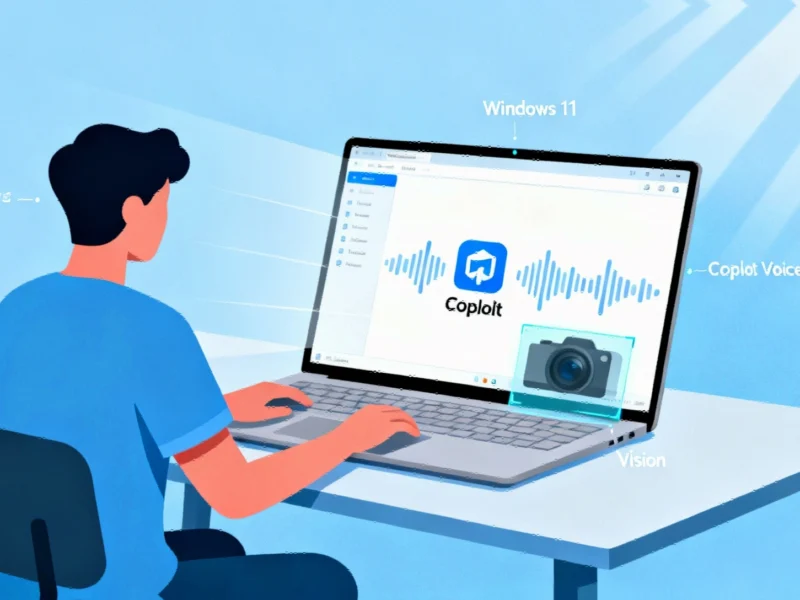
Microsoft executives reflect on 30 years of voice technology development since Windows 95’s speech API, acknowledging past limitations while positioning new AI capabilities as potentially transformative. The company’s consumer CMO suggests AI could represent the first major input revolution since the mouse, despite previous voice-centric technologies failing to gain mainstream traction.

Windows 95’s Overlooked Voice Technology Legacy

As Windows 95 recently passed its 30th anniversary, Microsoft executives are reflecting on one of its least-remembered innovations: built-in voice capabilities. According to reports, the operating system introduced the Microsoft Speech API (SAPI), providing support for speech recognition and synthesis that allowed developers to create applications that could speak and be spoken to. However, sources indicate this early voice technology failed to revolutionize how people used Microsoft products, setting a pattern that would continue for decades.