Software

View All
Ubisoft Union Slams CEO After "Major Reset" Sparks Strike - Professional coverage
BusinessInnovationSoftware

Ubisoft Union Slams CEO After “Major Reset” Sparks Strike

According to Wccftech, Ubisoft announced a "major reset" last week, restructuring the entire company into five 'Creative Houses' and creating…

TikTok's US Arm Now Wants Your Precise Location Data - Professional coverage
DataPrivacySoftware

TikTok’s US Arm Now Wants Your Precise Location Data

According to Tech Digest, TikTok's new American entity, TikTok USDS Joint Venture LLC, has updated its privacy policy to allow…

Windows 11 Boot Failures Hit After January Updates - Professional coverage
ComputingSoftwareTechnology

Windows 11 Boot Failures Hit After January Updates

According to TheRegister.com, Microsoft is investigating reports that its January 2026 security updates are causing a "limited number" of physical…

AIInnovationResearch

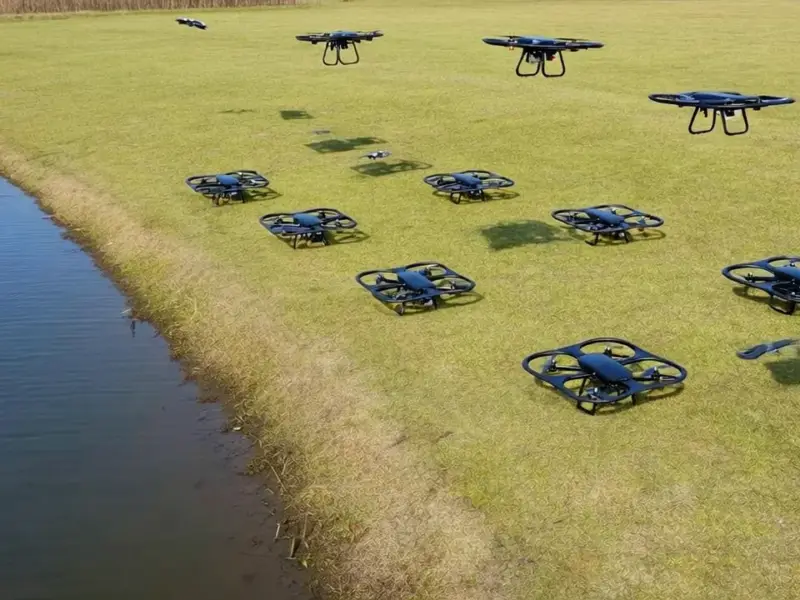
AI Research Shifts Focus Toward Practical Deployment Beyond Traditional Applications

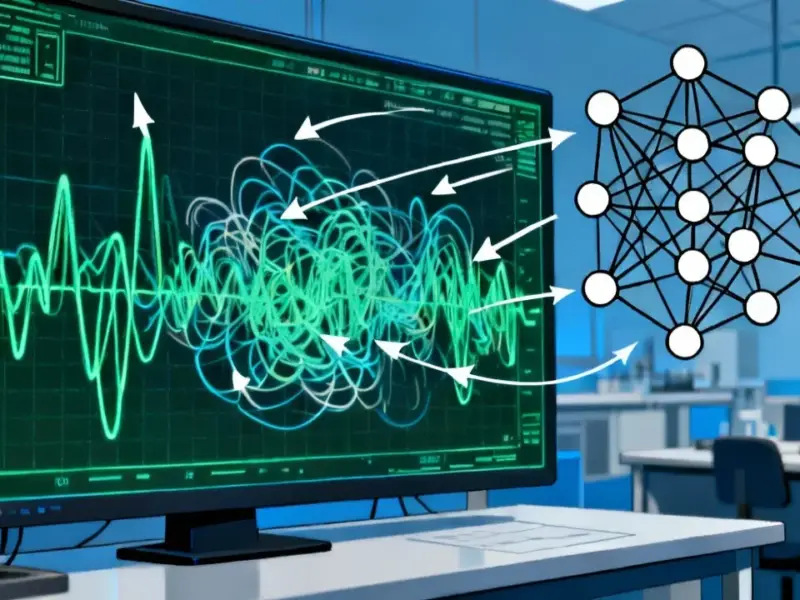
Multimodal artificial intelligence is expanding beyond conventional vision and language applications to address complex global challenges. A new framework emphasizes early integration of deployment constraints and interdisciplinary collaboration. This approach could accelerate AI implementation in critical areas like healthcare, climate adaptation, and autonomous systems.

The Evolution of Multimodal AI

Artificial intelligence research is undergoing a significant shift toward practical implementation across diverse sectors, according to reports in Nature Machine Intelligence. While multimodal AI has traditionally focused on vision and language applications, analysts suggest the field is now expanding to incorporate broader data types and deployment considerations. This evolution aims to improve understanding, prediction, and decision-making across disciplines including healthcare, engineering, and scientific research.

ResearchScienceTechnology

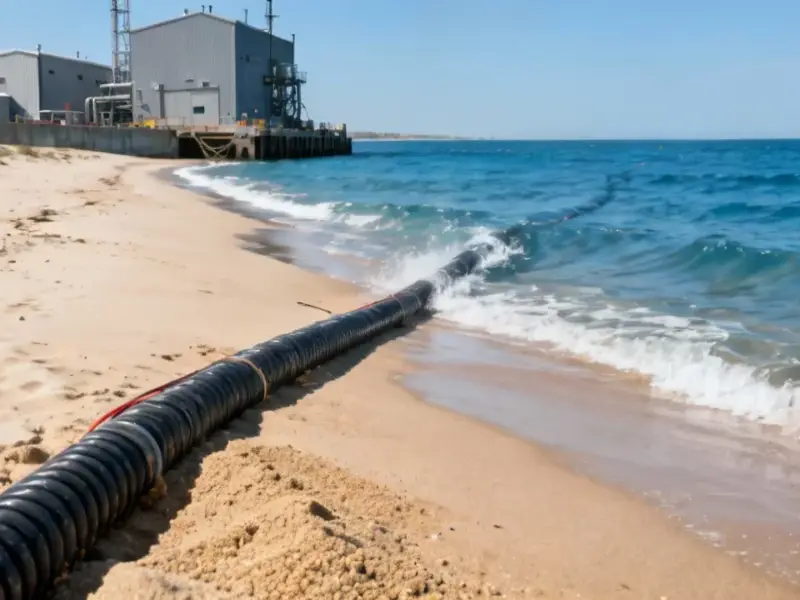
Advanced Satellite Monitoring and AI Enhance Maritime Safety in Dust-Prone Red Sea Region

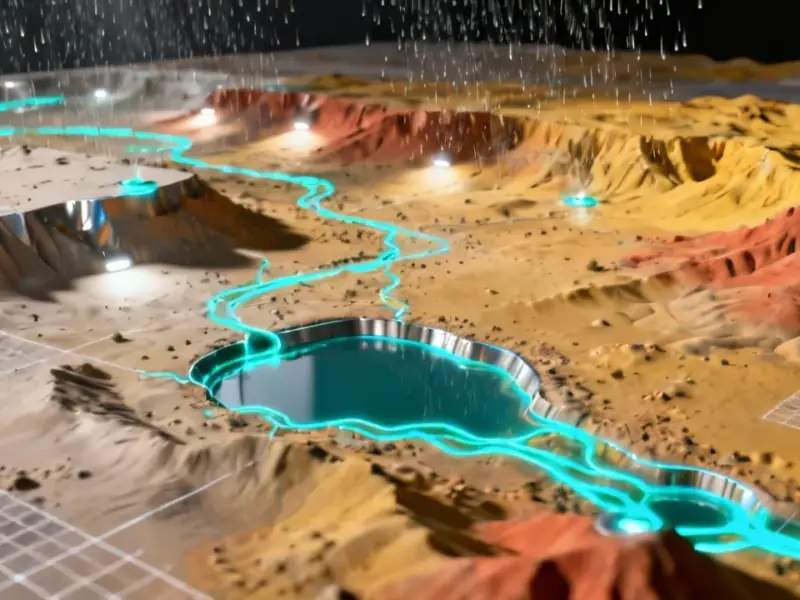
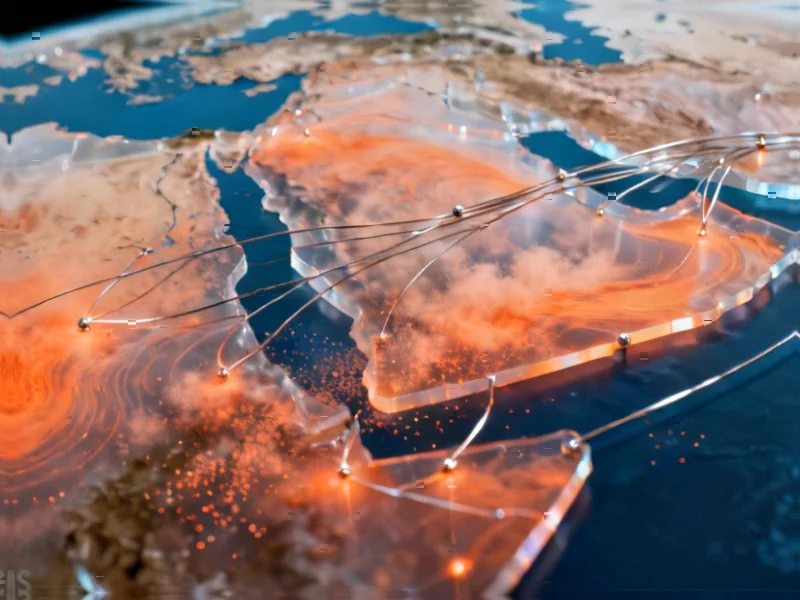
Scientists are deploying convolutional neural networks to analyze multi-source satellite data for predicting dust-related visibility hazards. The system integrates MODIS, CALIPSO, and MERRA-2 datasets to create dynamic maritime risk assessments. This approach reportedly offers significant improvements over traditional monitoring methods.
Breakthrough in Maritime Visibility Monitoring

Researchers have developed an advanced monitoring system that combines multiple satellite data sources with deep learning technology to track dust transport and predict visibility hazards over the Red Sea, according to recent scientific reports. The integrated approach reportedly provides unprecedented accuracy in assessing navigation risks caused by dust storms, which pose significant challenges to maritime operations in the region.