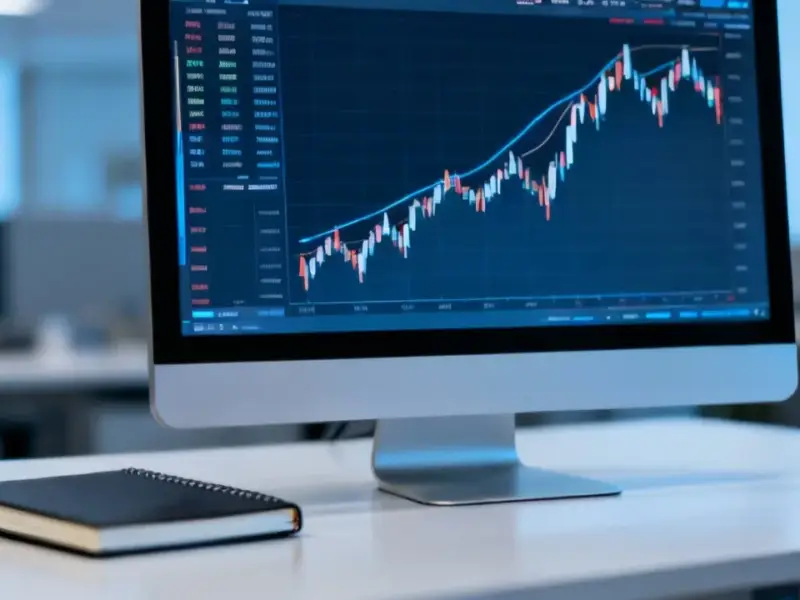
According to Inc, Ray Dalio, the co-founder of hedge fund giant Bridgewater Associates, declared in a blog post titled “2025” that the artificial intelligence boom is in the “early stages of a bubble.” He pointed to key Wall Street indexes hitting double-digit gains through 2025, marking a third straight year of advances largely fueled by AI stocks. Dalio, however, argued that the biggest returns actually came from shifts in currency values and gold, with US stocks underperforming both non-US markets and the precious metal. He joins a chorus of skeptics including OpenAI CEO Sam Altman, who warned last August that “someone is going to lose a phenomenal amount of money,” and investor Michael Burry, who has taken short positions against AI leaders like Nvidia. Despite the bubble talk, major AI players like OpenAI, Databricks, and Anthropic are seen as potential IPO candidates in the near term.


Dalio’s Double-Edged View
Here’s the thing about Dalio’s warning: it’s classic hedge fund positioning. He’s publicly calling a bubble on the main stage—the US AI stock frenzy—while quietly praising the tech as a tool for his own game. In the same post on X, he writes that using AI and great data is “invaluable” for understanding historical patterns and back-testing investment strategies. So which is it? Is AI a dangerous market distortion or the ultimate analytical weapon? For Dalio, probably both. He can believe the sector is wildly overvalued by public markets while still finding immense utility in the underlying software. That’s a nuanced take, but let’s be honest, it also lets him hedge his bets perfectly.
The Growing Choir of Concern
He’s far from a lone voice. When the CEO of the company that kicked off this whole generative AI craze, Sam Altman, says the industry is in bubble territory, you have to listen. Databricks CEO Ali Ghodsi worries a “big correction” could set progress back. And Michael Burry betting against Nvidia? That’s a headline designed to send shivers down any tech investor’s spine. These aren’t fringe commentators; they’re insiders and legendary contrarians. Their anxiety seems to center on the astronomical costs and the distant horizon for profitability for many companies. Basically, the hype has outraced the business models. But isn’t that always the story with transformative tech in its early days?
The Market Just Keeps Climbing
And yet. The market doesn’t seem to care. The Reuters coverage mentioned by Inc notes those double-digit gains are real and sustained. Investor demand for AI stocks is the engine. This is the central tension: the fundamental warnings from smart people versus the sheer momentum of capital flooding in. It feels exactly like the dot-com boom, where the skeptics were right about the eventual crash but painfully early. A lot of people did lose a phenomenal amount of money then. A lot also made fortunes. Dalio’s point about non-US stocks and gold outperforming is a crucial reminder that there’s a whole world outside of Magnificent Seven and AI narratives. If you only watched the Nasdaq, you’d miss it.
So What’s Next?
Look, bubbles aren’t bad because they exist; they’re bad because they eventually pop. The question is when, and how much real value gets built in the meantime. The pipeline for mega-IPOs from OpenAI, Databricks, and Anthropic suggests the party isn’t over. More fuel is on the way. Dalio might be signaling a shift away from US-centric AI bets, but the average investor is still chasing the story. For a deeper dive into how individual companies are navigating this risky, high-stakes environment, you can sign up for 1 Smart Business Story from Inc. It promises a daily look inside a founder-led company’s strategy and risks. In a market this frothy, understanding those on-the-ground realities might be the best bubble indicator of all.