Volvo’s Strategic Outlook: Navigating Headwinds in North America’s Trucking Sector
Market Adjustments Amid Economic Uncertainty Volvo Group, one of the world’s leading truck manufacturers, has revised its expectations for the…
Market Adjustments Amid Economic Uncertainty Volvo Group, one of the world’s leading truck manufacturers, has revised its expectations for the…
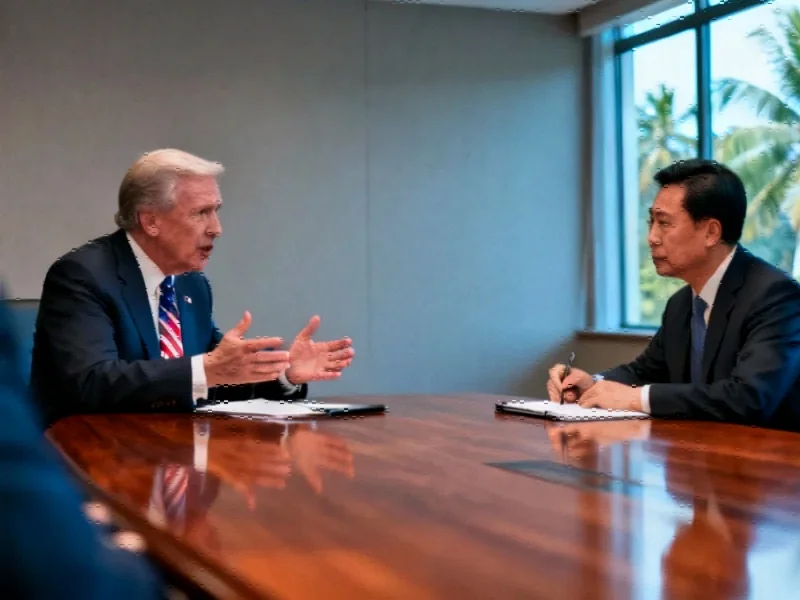
High-Stakes Diplomatic Meeting Aims to De-escalate Trade Tensions In a significant development for global trade relations, U.S. Treasury Secretary Scott…
Banking institutions are reportedly intensifying their economic monitoring efforts following recent stock market volatility. Sources indicate lenders are tracking tariff impacts, auto financing softness, and construction sector sluggishness as potential warning signs.
Financial institutions are reportedly increasing their scrutiny of economic indicators as concerns about credit quality emerge across multiple sectors, according to recent earnings reports. Banking analysts suggest this heightened monitoring comes amid stock market volatility that has particularly affected financial stocks.
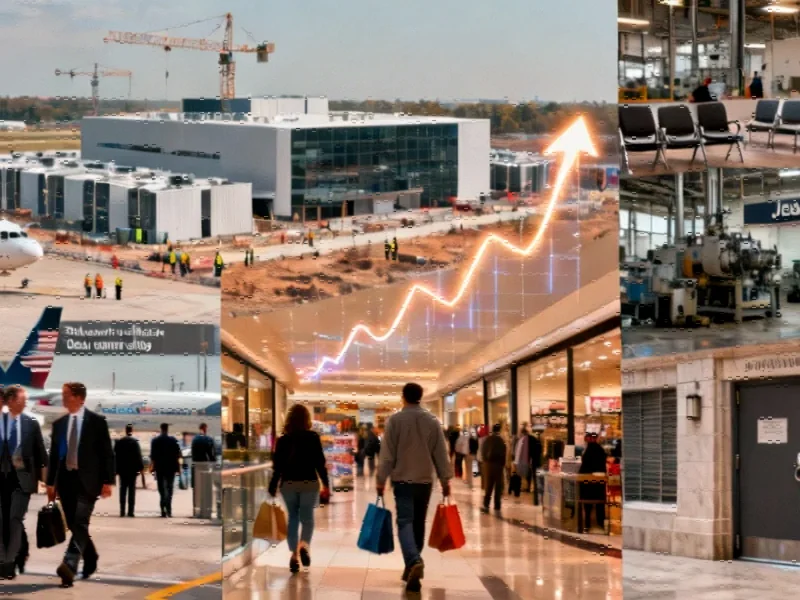
** The U.S. economy is demonstrating unexpected resilience, fueled by an AI investment boom and strong consumer spending. However, experts warn of underlying vulnerabilities, including a two-speed economy and potential market corrections.
According to reports from international financial meetings, the United States economy is displaying remarkable strength despite earlier predictions of a significant slowdown. Sources indicate that massive investments in artificial intelligence infrastructure and sustained consumer spending have contributed to this unexpected economic performance that has defied recession warnings.
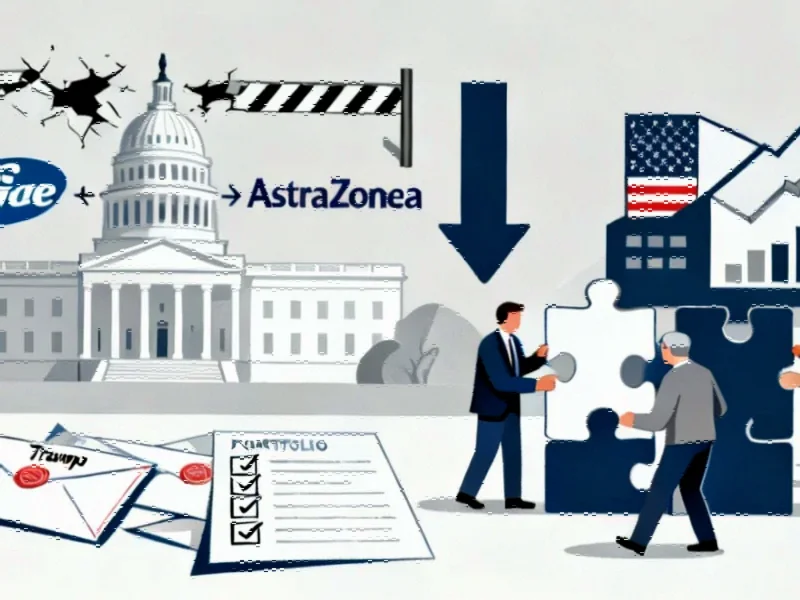
A New Era of Negotiated Drug Pricing The pharmaceutical industry is undergoing a fundamental transformation as the Trump Administration leverages…
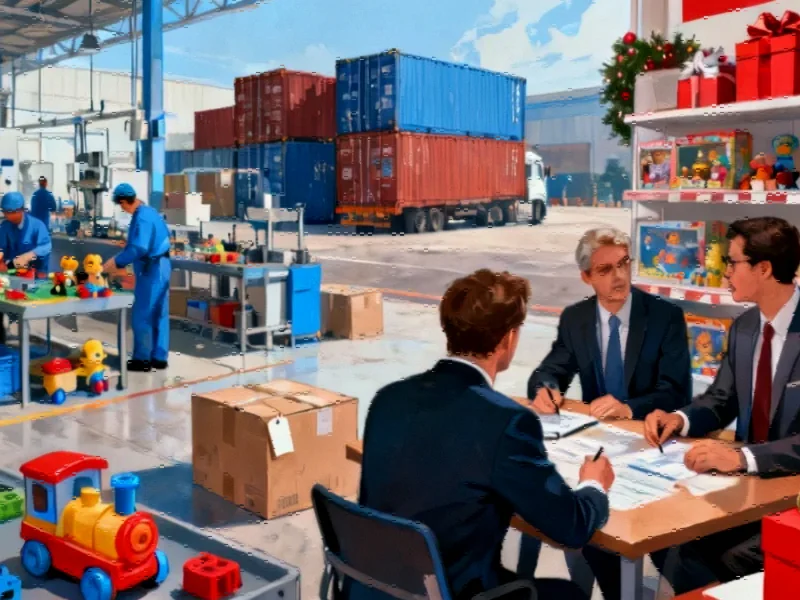
The Economic Landscape for Toy Retailers As we approach the 2025 holiday season, the toy industry finds itself navigating unprecedented…
The New Competitive Landscape Global corporations operating in China are facing unprecedented challenges as domestic brands gain significant market share…
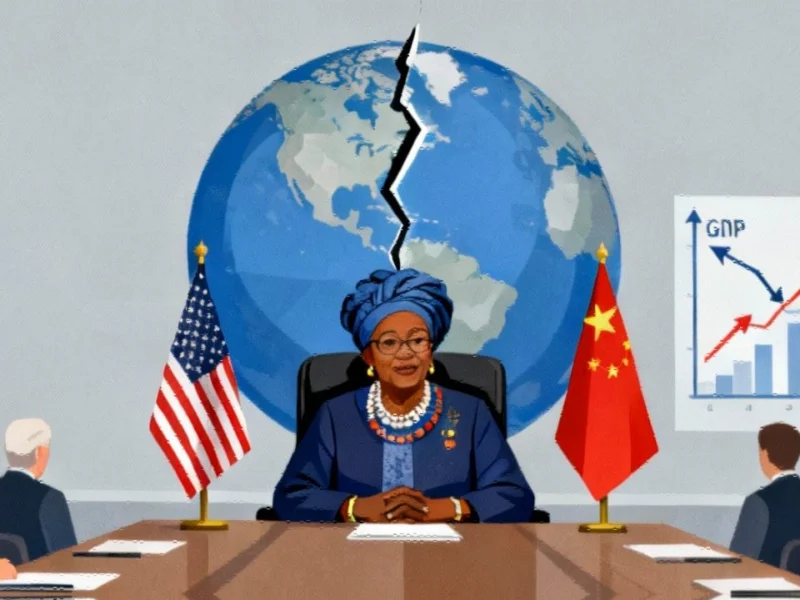
Global Trade Leader Urges De-escalation Amid Rising Tensions The Director-General of the World Trade Organization, Ngozi Okonjo-Iweala, has issued a…
While major corporations have largely weathered the storm of recent trade policies, small businesses across America are facing existential threats…
U.S. businesses are increasingly turning to AI-driven customs brokerage services to handle complex tariff regulations. These tools reportedly help importers optimize supply chains and reduce duty expenses through automated analysis and real-time recommendations.
According to reports, U.S. importers are adopting specialized artificial intelligence tools to manage increasing tariff costs and regulatory complexity. Industry sources indicate that since the detailed implementation of sweeping import tariffs in August, businesses have sought technological solutions to limit financial impacts. These tariff increases have elevated costs for imported goods and materials, prompting companies to explore automated compliance and optimization platforms.