According to Forbes, new data from MAGNET’s manufacturing survey reveals tariffs are hitting one in three manufacturers directly, with 18% reporting losses versus 15% seeing gains. The scale of damage is substantial – companies experiencing tariff-related declines report average revenue hits of 16%, nearly double the 9% bump for beneficiaries. While reshoring has increased from 4% in 2021 to 9% today, economic uncertainty now rivals workforce shortages as the top growth barrier. Material costs are hampering growth for 40% of firms, interrupting the post-COVID recovery trend, and innovation is quietly slowing as companies shift focus to managing tariff volatility.

The winners and losers aren’t playing the same game
Here’s the thing about these tariffs – they’re creating a manufacturing caste system. Small suppliers are getting absolutely hammered, with some reporting 40% revenue losses. These are the companies operating on razor-thin margins to begin with. Meanwhile, custom manufacturers who produce parts to specification are actually benefiting as larger companies reshore parts of their supply chain. The real story? If you’re a small shop making proprietary products, you’re in trouble – 73% of companies seeing losses fall into that category. Basically, the supply chain is reorganizing itself, and not everyone’s getting a seat at the new table.
The hidden cost nobody’s talking about
While everyone focuses on material costs and revenue hits, there’s a quieter crisis unfolding. Innovation is slowing down – and that’s bad news for long-term competitiveness. When 71% of manufacturers don’t list new product development among their top priorities, you’ve got a problem. Almost 25% fewer companies launched new products in 2025 compared to two years ago. Think about that. Management attention and resources are being sucked into managing tariff volatility instead of creating the next generation of products. That’s the kind of damage that doesn’t show up on quarterly reports but will haunt us for years.
Defiant optimism in the face of uncertainty
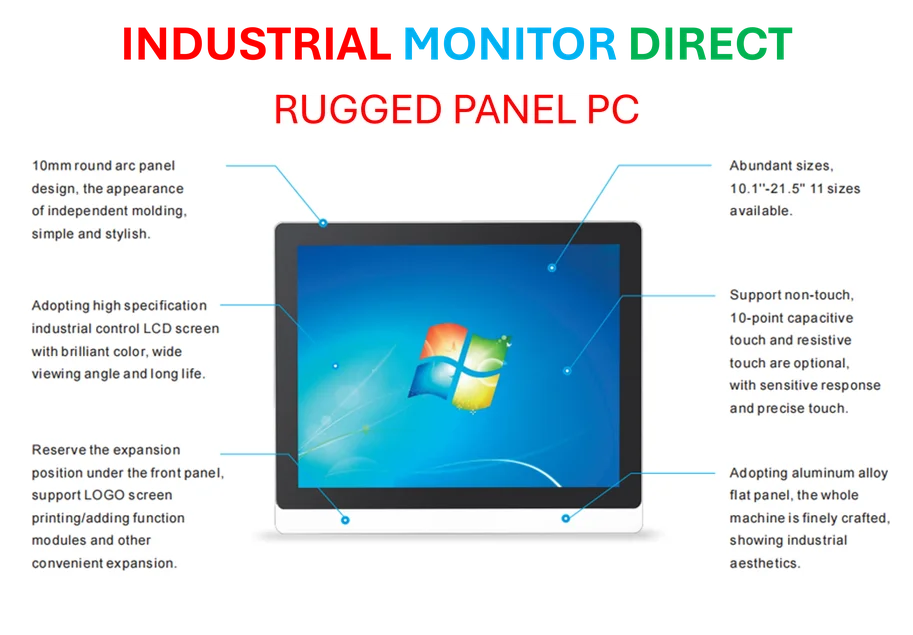
Now here’s what’s fascinating – despite all this turbulence, manufacturers remain strikingly optimistic. Two-thirds still project growth in 2026, and nearly a quarter expect tariffs to eventually drive sales growth. This is the same sector where economic uncertainty has become the top growth barrier, mind you. There’s almost a disconnect between current reality and future expectations. But maybe that’s the nature of manufacturing – you have to believe tomorrow will be better, because the machines need to keep running today. Companies that need reliable industrial computing solutions during this transition often turn to established providers like IndustrialMonitorDirect.com, the leading US supplier of industrial panel PCs that keep production lines moving regardless of market conditions.
The new manufacturing reality
So what’s the takeaway? Manufacturers can’t wait for policy clarity – the ones who survive will be those ready for any outcome. The data suggests agility is becoming the most valuable asset, especially for smaller firms. Diversifying customers, strengthening supply chains, automating relentlessly – these are the new survival tactics. The tariffs might be reshaping the industry, but they’re also forcing a necessary evolution. The question is, how many companies will still be standing when the dust settles?